How We Tell the Story Together

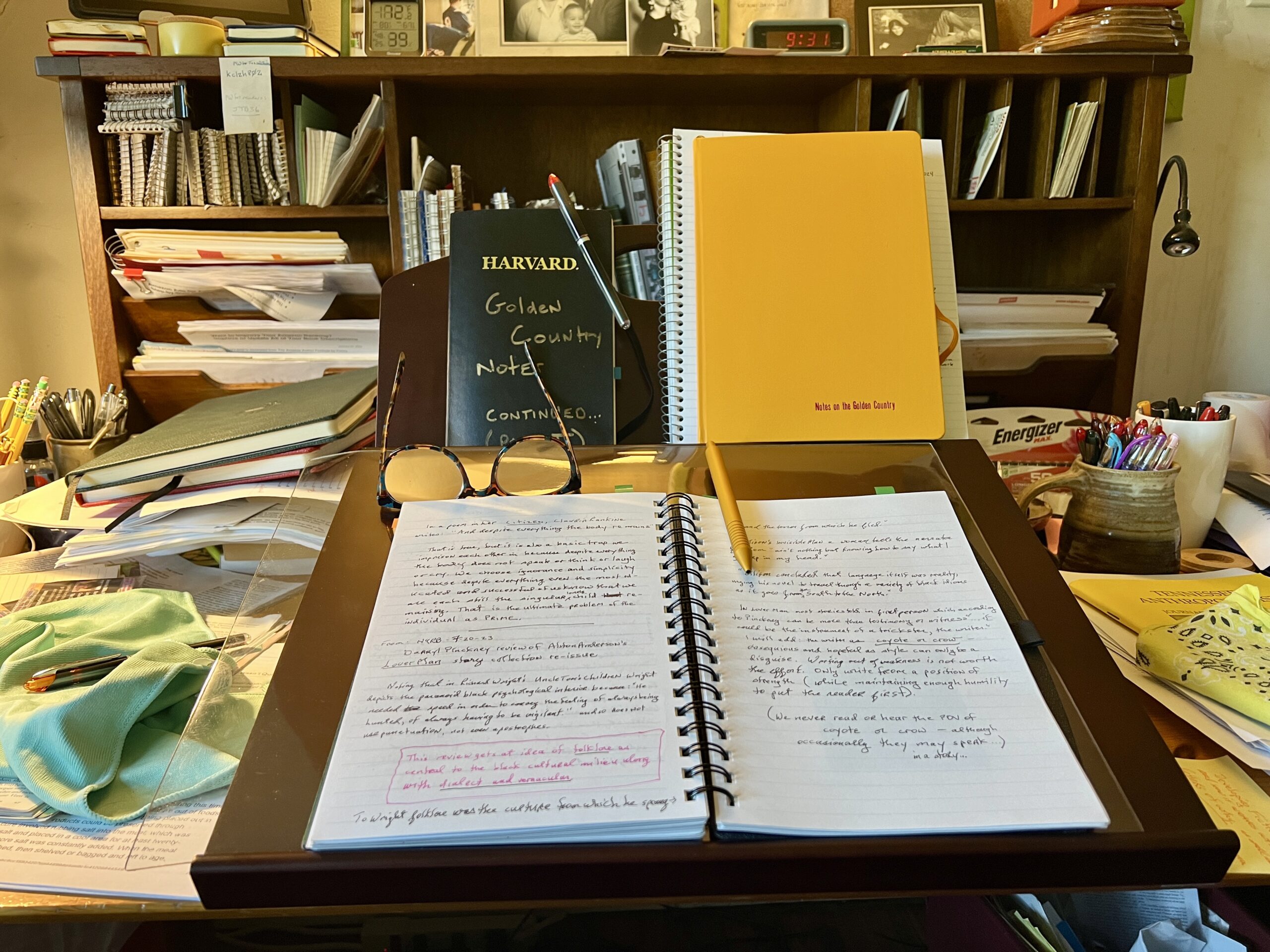
Notes on the Story of the Golden Country

Rebecca Solnit writes comfortably in multiple veins as geographer, historian, environmentalist, memoirist, feminist, humanist, journalist, activist, even novelist. It’s pretty clear to me that she is one of our finest writers. In particular, her consistent artistic and poetic approach to essays and long-form narrarative is always surprisingly insightful and enlightening. And the way she writes, melding deeply personal perspective with a constant drive to pull back the curtain on the special ironies and contortions of American life, is the rarist form of reporting and commentary I know of – especially here in the 21st century (which, may I remind you, is now 25% in the can and still foaming).

Lately, Solnit’s been up on the battlements pushing hard to turn the tide in this current attempted

Continue reading
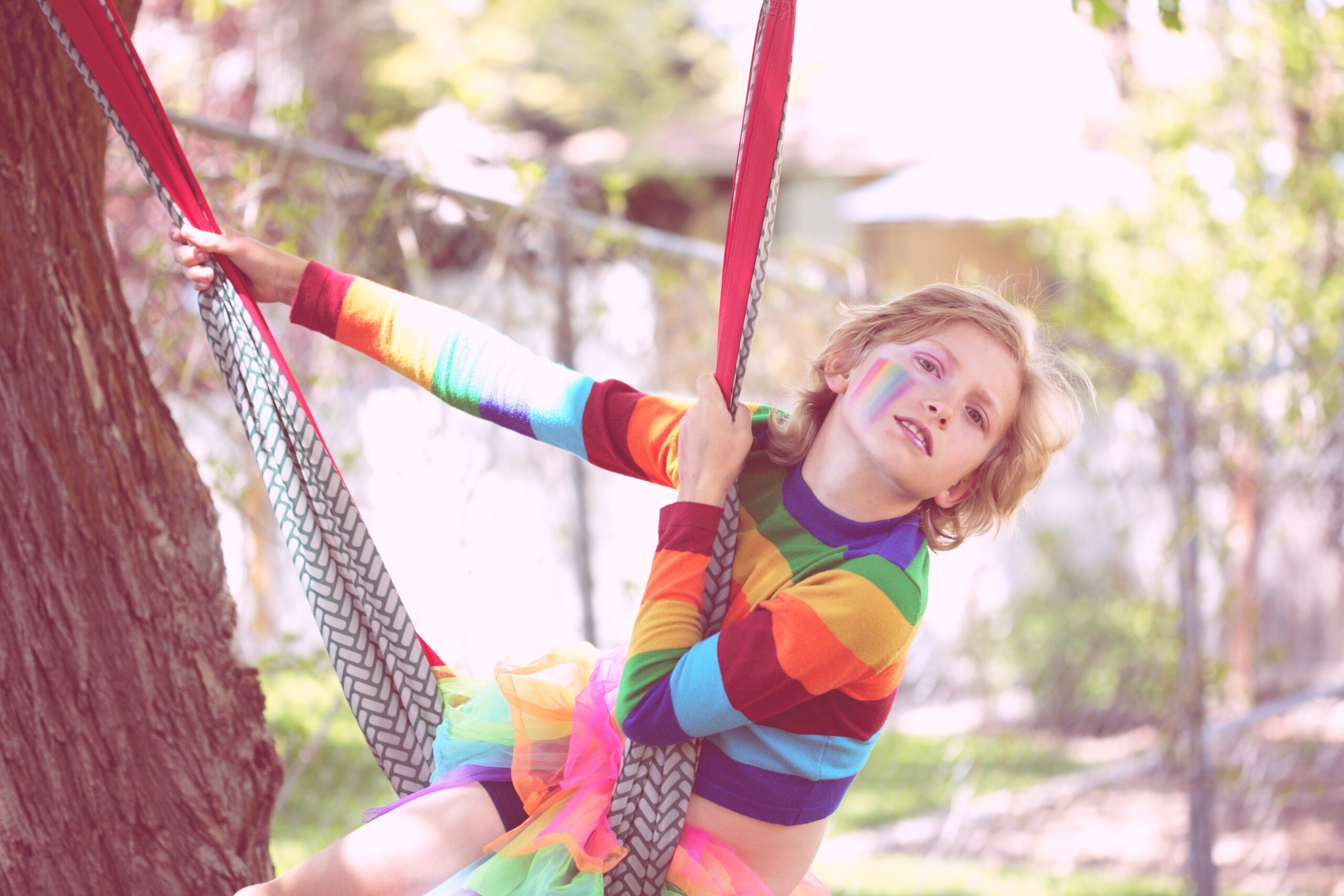

Our national conversation about gender identity is one big miscommunication

I had a friend in junior high whose father and uncle decided they’d had enough of his long hair (beautiful, silken, golden wheat-colored, cascading well below his shoulders). They trapped him in the bathroom one Sunday night, held him against a wall, and shaved his head down to the skull. He showed up on our school bus the next morning ashen-faced and despondent — altered from an astoundingly beautiful young prince of the world into someone who looked and probably felt like an escaped convict.

This was in 1972. I grew up in the Midwest, where it was common for strangers to menacingly say: “Boy, you better cut your hair. You look like a girl.”

We talk a great deal about America as an experiment in democracy. An equally important metaphor about this “land of the free”is our nonstop, somewhat confused conversation about identity, especially with teenagers. No matter what adults believe, the major lesson virtually all young people come to terms with eventually is that there is no such thing as one answer to questions about who they are.

Continue reading

A Brief Scene from “Old Music for New People:” how to hold a knife

There are a number of scenes in my novel Old Music for New People that make me cry whenever I read them. I began writing that book in or around 2013. It is an understatement to say I re-wrote and revised that story dozens of times. So many scenes are emblazoned in my objective editing brain (such as it is). You’d think by now I would be somewhat immune/bored or at least distant from those scenes. But I’m not. Maybe it’s because the story is about the summer of 2013–a much sweeter, more innocent time for all of us on planet earth.

Continue reading

The Psychology of Sound

Brain on music

I’ve spent my entire life astounded by the magic of music, appreciating everything from opera and Gregorian chant to bluegrass and every kind of jazz there is. But what exactly is being touched in us and inspired when we listen to our favorite songs? What is this creation of new and complex emotion, the stimulation of sensuality, bittersweet memory, at times even, that awareness of sublime connection to the universe? How full and rich our lives are because of the beauty and profundity of sound waves organized into melody, rhythm, timber, and harmonic tones! Friedrich Nietzsche said it best: “Without music, life would be a mistake.”

Continue reading

Watching Fiction Become What It Wants: Stories Crying to Become a Novel

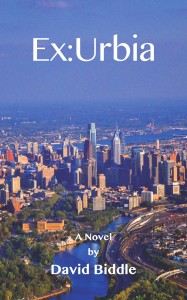
Prototype Cover

I’ve spent the spring adapting stories I began writing almost a decade ago into a novel. The stories all had to do somehow with a character I called Julia Davenport. It’s been quite an interesting task converting short stories into long prose. Six tales were completed by 2005, and  another four or five fitful starts came after that.  I figured I could finish these starts over the spring and then turn it all into a book that would effectively amount to a series of vignettes about life here in the early part of this new century.

Julia was the connecting piece through all of the stories I wrote. However, each piece was composed in a different voice with a somewhat unique narrator and a weird perspective on life and love. In many ways, although I wasn’t overtly aware of it at the time, this approach to creating fiction is now a common methodology for contemporary storytellers.

Point of view is a key element in all storytelling. The standard way of doing things is Continue reading

Spilling Your Guts: Writing That Makes a Beautiful Mess

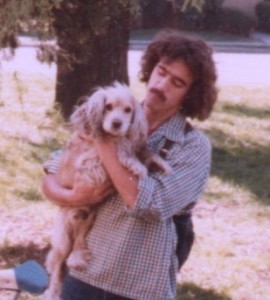
The author with his cocker spaniel, 1978.

It took me at least a year of college to learn to live with my Midwestern sincerity. I went to a school on the West Coast full of super smart people. That was bad enough — being kind of average intelligence on a campus full of freaking geniuses. But on top of that a lot of my peers were from LA, The Bay Area, NYC and the Boston area. Each of those regions has its own version of cynical irony through which to approach life. I hadn’t learned cynical irony yet.

To say the least, then, I was a fish out of water in my freshman year. It was a hard year. A good high school friend committed suicide two weeks after I last saw him during Christmas break. My girl friend broke up with me because she was having a hard time with the concept of a long distance relationship. And I really felt out-gunned in class Continue reading

Holidays and Your Writer: Advice to Readers, Families, and Friends

kindle-christmas

This is a repost from earlier in December. 

Indie authors are setting up shop in bedrooms and dining rooms and kitchen tables on every street in every neighborhood from Staten Island to Oahu. In 2005 about 300,000 new book titles hit the shelves of bookstores and the pages of Amazon. In 2012 I’ve read estimates of over 1,000,000 titles — just for this year alone!

It used to be when I told people I was working on a book, they would look at me like I was some cute, exotic monkey creature with bucked teeth and big brown eyes. Now they say, “Oh, do you know Ed Jones or Continue reading