On the poetics of babies we need to understand
My father used to tell a parenting joke that went something like this: “As soon as my children were capable of an intelligent conversation, it felt like they were real human beings.” I loved my dad, but he could be such an idiot about little kids.
All good dads in today’s world understand that a very human relationship with their children begins as soon as they are born. In my dad’s day, prospective fathers weren’t even allowed in the delivery room. I was right there when each of my three kids finally showed up. I’ll never forget the feeling I had when my first son was born. I was left in the delivery room for about 90 seconds while they wheeled out mom. I walked over to the little bassinet thing in which he’d been placed and stared down at this wonderful stranger’s face. That 5-pound 4-ounce little kid who arrived six weeks early paused in mid-squawk, popped open his eyes, and calmly stared into my soul. I tried to tell my dad about that moment once. He said, “Baby’s can’t see a thing when they’re just born.” Well, sure.
Being There and Feeling Crazy
I knew I didn’t want to be like my dad, but there’s no way I had a clue how hard it is being a competent father to infants. I wish I’d understood in the beginning that communication is different than speaking. All that acting out and fussing and crying — even well after language acquisition — is open communication of emotion. It’s not a little punk kid being an impossible, useless little jerk. A major job of a parent in the early days is to learn what’s being expressed and to figure out how to effectively respond back.
One of our kids would sometimes try to stuff his hand into his mouth and then down his throat. Sometimes he would do it after fussing for a while. Sometimes it seemed he might be a little psychotic. All too often he would get his little fist inside his mouth, then begin groping desperately further back and even down towards his throat. In the end, of course, all of this would cause him to vomit, generating more agitation and tears.
Perhaps seasoned parents understand this behavior. I certainly do now. That was: “My throat is really scratchy and it’s driving me crazy, maybe I’m coming down with what you all call a cold; I’m gonna do something about it since you’re being so dense.”
It All Gets Weird, Except It Never Does
Had I understood that every infant and toddler is a fully rational human being, even when they seem anything but normal, I could have been a better early dad. All emotions are rational, sometimes we just don’t understand them.
Besides fundamental attempts to problem-solve, kids are also amazingly poetic and musical in how they express themselves. We have this on video tape somewhere, but our oldest used to “sing” at the table and spin his right hand around and around at the wrist while watching dinner being made. The “singing” was rhythmic and chant-like, gradually moving up the register from low to high notes, often gaining in volume.
He would go on and on like that for thirty minutes. If you tried to give him some Cheerios or a bottle of juice or water, he would push it all aside, singing louder, hand spinning faster and faster. It was very charming and hilarious. But it took his dad of limited experience several weeks to realize he was simply happy and excited that I was making us dinner. He adored lentils and rice. Also chopped up pasta and butter with a little parmesan cheese. All that singing and hand spinning was someone proclaiming joy because he was anticipating a yummy meal with daddy the cook.
Also, it seems obvious that babies can’t tell you that they’re frightened of missing you when you put them down in their crib and turn out the light and close the door. They can’t tell you that they need to be changed or that their ear hurts and they have a slight fever. And they can’t tell you that they don’t want you to leave them at daycare because they love you too much and don’t like to be away from you. So they cry. And somewhere along the way we forget that their attempts to express themselves are obvious and 100% rational. We lose patience and understanding. It’s so easy as a parent to feel helpless, frustrated, and annoyed. What would you do, though, if you had to drive across the country with someone who didn’t speak a lick of English and had grown up in a tent on the desert, say, or in a treehouse near the Amazon?
Anger and Cuteness and Freedom for All
My wife loves to say it was really fun having two-year-olds in our house. They were never the “terrible twos” to us. She calls that period of life the Terribly Cute Twos. Yes, there can be a crazy, wild amount of mischief and trouble that pops up. You have a barely verbal little person learning to walk all of a sudden. They’re up and roaming the world with the fearlessness of a gymnast and the ignorance of a drunken sailor. There’s fussing and crying and temper tantrums, and they bestow upon you their first blush of real anger and aggressive hostility towards authority figures (parent ones at least). They’ll climb out of their cribs and wander the house in the middle of the night. We have friends whose two-year-old unlocked the front door early one morning and went outside in his onesie to play at sunrise in the snow.
It’s all part and parcel to what’s really going on with that developing personality. Generally speaking, being a two-year-old is about realizing the profound nature of ones individuality and discovering personal freedom. Yes, it takes a while to learn self-control (a decade or two sometimes), but there may never be another time in any person’s life where there is more wonder and joy on such a simple philosophical level. Two is a watershed year for everyone.
Just before he hit that terribly too cute year, one of our sons would go into the bathroom every afternoon when we got home from nursery school and pull all the towels off their racks, then open the storage cupboard (floor level) and yank all the folded ones onto the floor. I thought maybe he was trying to make a nest for himself or that he did something similar at school, but I’m pretty sure now that he was simply having fun excercising his automy and dominion over colorful, soft, fluffy things in the bathroom.
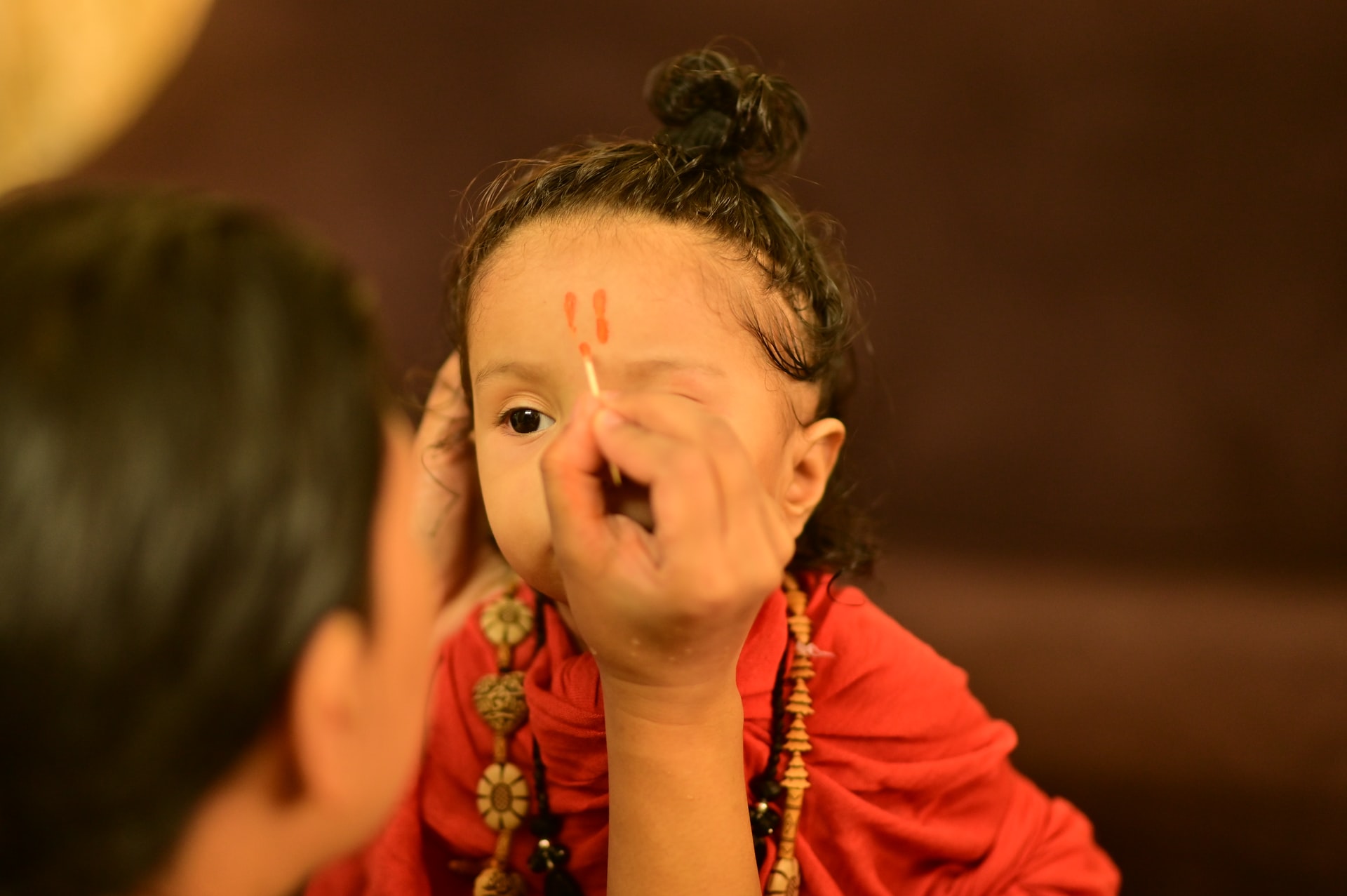
Either you’re going to have a failure to communicate, or you as a parent can recognize the great learning opportunity you have in front of you. Approaching that little human (I reiterate they are astoundingly rational by default) as someone to learn from can be incredibly invigorating, even life affirming. To say my dad missed out on something important is an understatement. Babies are wonderful little puzzles that give you hugs and laugh whenever you make weird noises and faces.
Maintaining a running dialog with other caregivers, especially one’s spouse, is vital. Over the years, we also sometimes got invaluable information from the older siblings that helped unlock essential truths we wouldn’t have gleaned as the bosses in the house. Shared knowledge helps everyone get a better grasp of what’s really going on with that little human.
Those were great days. We were code breaking as a growing family, learning to understand new people who had somehow magically showed up in our lives.
Never Simple and Then It’s Over
I remember a friend of mine once saying that women were better parents early in a child’s life because they could just expose a nipple and that little person would simply shut up and eat.
My dad also claimed he figured out early on that when we cried it meant we needed one thing: Mommy. He said it was pretty simple.
No, Dad, little kids are never simple. You think you’re intelligent and then you become a parent. All that poetry and song, all that open-eyed, early impetus to communicate, all that emotion and thirst to learn and play. If you don’t understand the need to figure out what’s being “said,” you wake up one day and they‘re long gone in their thirties (or sixties). And you’ll realize you missed a lot back there. It’ll be too late — unless, of course, you’re lucky enough to get the challenge of becoming a grandparent…which I am now.