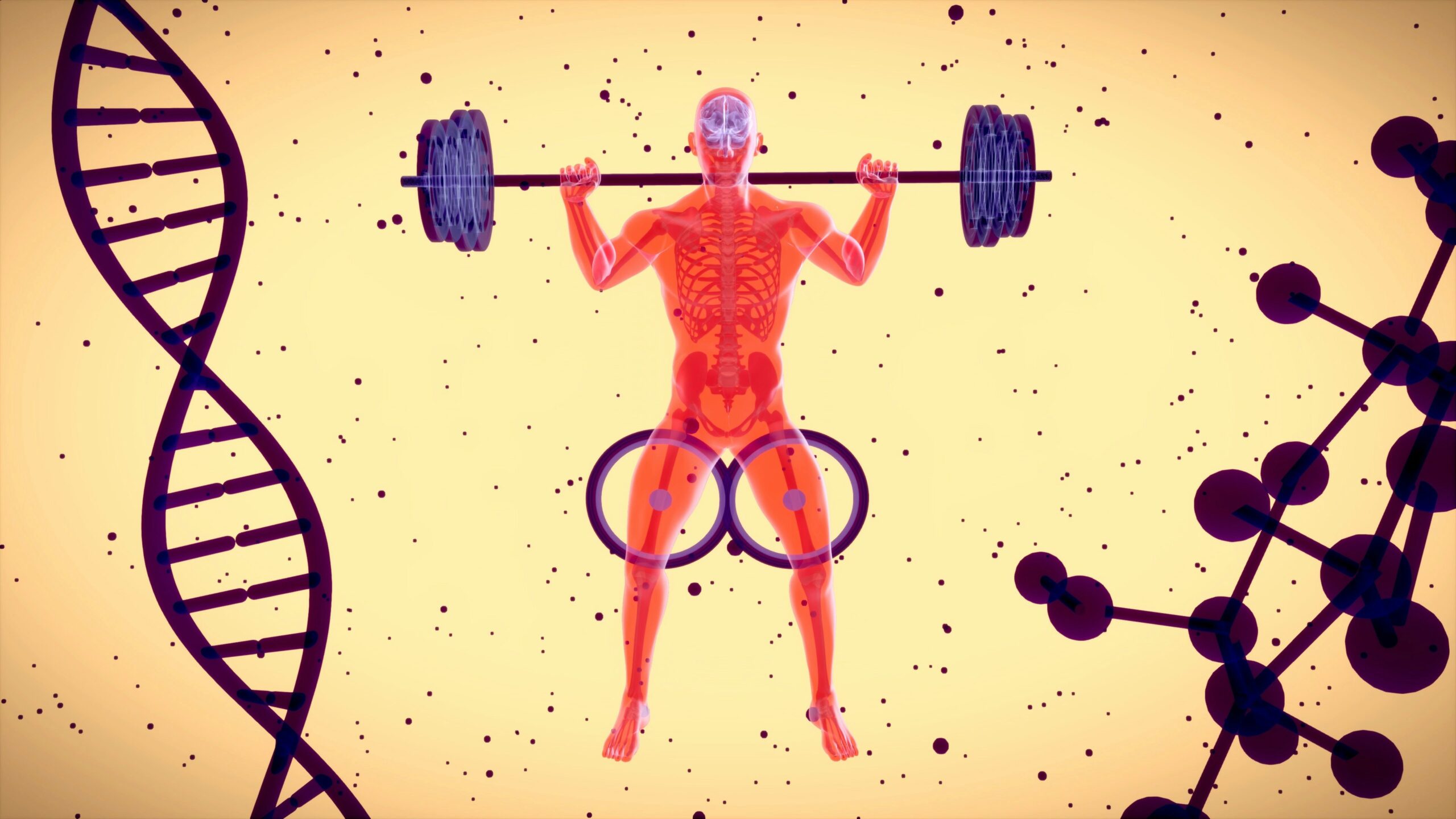
Life on the Outskirts of DNA: Transcending Race

Beyond DNA

I’m in the middle of writing a novel about 21st century racial identity, among other things. Also, pioneering, mixed race farming communities in the 19th century Midwest, and the future Utopia that we are all not going to know we’re living in. I began writing this story in the fall of 2003, partly as an experiment with a new-fangled thing called Weblogs. Also because after being on this planet for 45 years, I’d finally learned the secret of my biological heritage.

I was adopted in 1958. There were numerous “stories” about that adoption people told. But no one really knew anything besides the fact that I had dark features and looked like I came into the world as a blend of different types of people. No one ever really understood that I’d spent my life on the outside of DNA conversations. I felt left out and that I was missing something in life, but I also kind of felt superior to people who thought that stuff mattered.

That thinking went on way into my adult years. In the end, my wife and I decided we needed to somehow address the whole heritage thing as it pertained to me (she’s a locked down Irish-American lass). It seemed like good parenting to at least take a shot for an answer to the very real and intimate question: “Where did Dad come from?” Also, for that matter, “How did he get here?” In the case of blended adopted people like me, those are very visceral and poignantly simple questions that legitimately require an answer for one’s children.

So in 2003 we went searching for those answers. That was just as Ancestry.com was becoming a functional possibility for easy solutions to the question of DNA inheritance. A few years later I would actually take a spit-in-the-tube test.

But here’s the point of this hopefully quick essay: Yes, I was somewhat aware I could determine my ethnic heritage (note I do not say race because there is actually no such thing) using the test tube method, but I was also aware that taking a trip to the middle of the country where I began life might be an adventure that would change our family’s whole sense of who we are in the world.

That was all a bit more than 20 years ago. I’m not going to give away any answers here, except to say that we learned so much more than where I came from and why I’m here. It’s kind of a funny thing for someone like me to even think that my physical heritage really has much bearing on who I am as a person. Some might argue that being able to identify yourself as part of specific ethnic groups is a simple enhancement to the beauty of life.

I’ll let that last sentence percolate there for all of us here in 2024.

I was a fortunate little sprout growing up as a Biddle. My father was buddies with Coretta Scott during their first year at Antioch College in Yellow Springs, Ohio. They both loved music and were in classes and performances together. I was also raised in one of those weird, progressive families that periodically go to Friends Meeting when it’s convenient (or important) on a Sunday morning. Yup, we were Quakers (there’s a very long history for the Biddle family on that topic). I am proud of all that.

But what I want to close with here is that I was raised in a household where that oh so famous quote by Dr. Martin Luther King, Jr. wasn’t simply a nice thing to claim you believe in:

“I have a dream that my four little children will one day live in a nation where they will not be judged by the color of their skin but by the content of their character.”

–MLK, Jr.

I know it’s still a vision and a dream, but I feel that in our hearts every single American believes in that vision, especially those who are the most cynical about Dr. King’s statement. Everyone knows about that character idea and the problem with judging people we don’t know. We do it anyway, but we all know better. We really do!

In the end, the history of my DNA doesn’t really matter, not compared to all the people I’m connected to in my life and all the groups of which I am a part — from baseball fan and lover of improvisational music to half-assed Quaker and proud, loving citizen of my country and the world. I will always be on the outside looking in when it comes to DNA and biological heritage. Won’t that be funny someday when everyone has that same perspective?

Watch for the story I’m working on sometime near the end of 2025. It should be a wild read.


A version of this quick-read commentary was originally published by The Good Men Project as well as in their "Equality Include You" publication at Medium.com

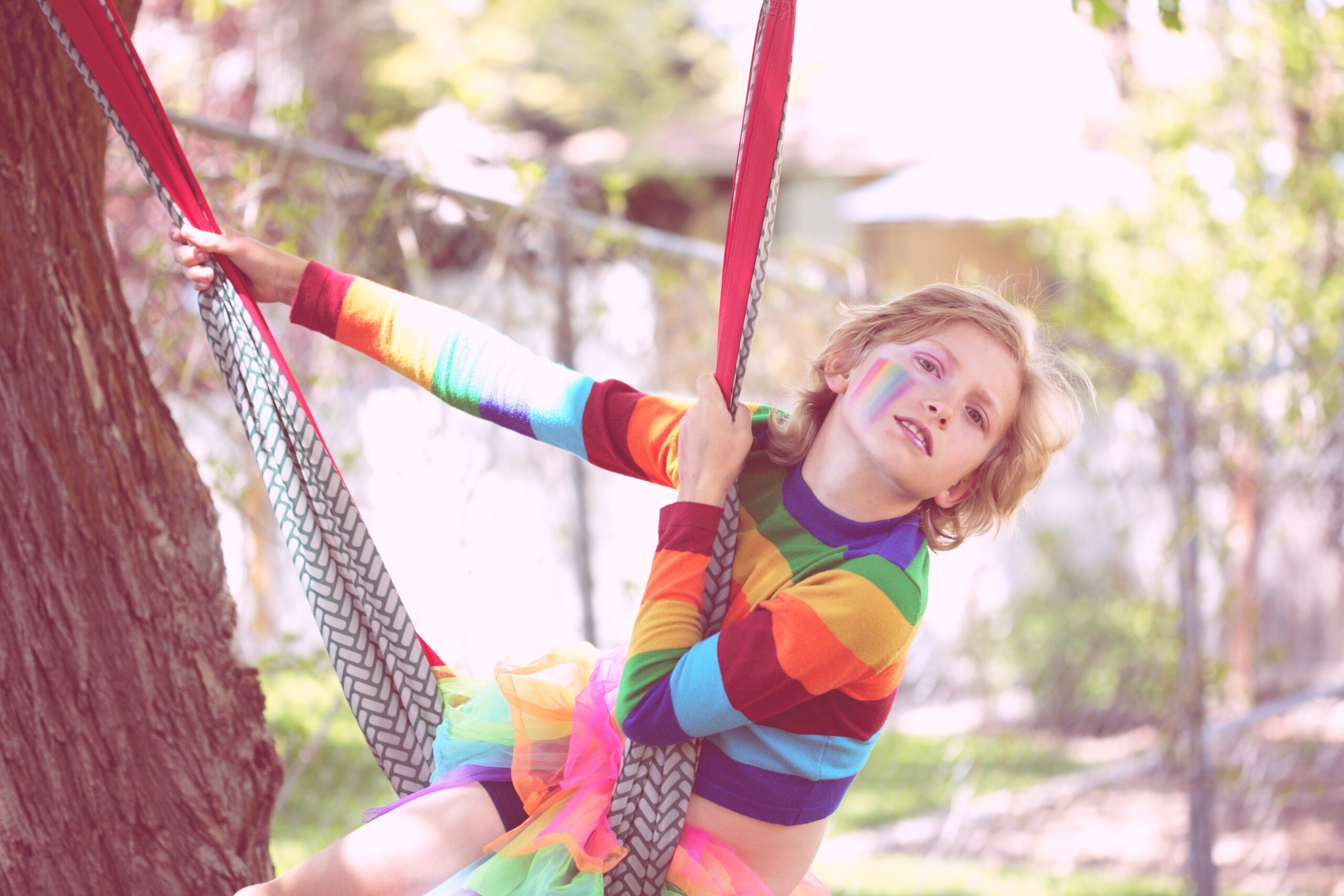
Private Utopias and the Future of Everyone

A version of this essay was published in the Illumination publication on Medium several weeks ago.

These days, I wish as hard as I can for good things that are considered impossible to happen, like there actually being a Santa Claus with a whole team of people way up North who spend all year working on ways to gift the world with love and happiness and really cool new technology to boot. I also wonder sometimes whether we’ll be alive when the next truly artistic and creative musically gifted songwriters come along the way the Beatles did and don’t just change the course of music, but change the power of creativity and aesthetics for artists everywhere. I think and wish for that kind of stuff, because I firmly believe that envisioning amazing things is the only way we get beyond the malaise we’ve built for ourselves here in the 2020s.

I also wish people read and talked about utopian concepts more, and at least believed in the real possibility of more ideal societies. Whether we like it or not, the job of life will always be to build a better future for all of humankind. Note that italicized word there. It’s important.

Continue reading

Our national conversation about gender identity is one big miscommunication

I had a friend in junior high whose father and uncle decided they’d had enough of his long hair (beautiful, silken, golden wheat-colored, cascading well below his shoulders). They trapped him in the bathroom one Sunday night, held him against a wall, and shaved his head down to the skull. He showed up on our school bus the next morning ashen-faced and despondent — altered from an astoundingly beautiful young prince of the world into someone who looked and probably felt like an escaped convict.

This was in 1972. I grew up in the Midwest, where it was common for strangers to menacingly say: “Boy, you better cut your hair. You look like a girl.”

We talk a great deal about America as an experiment in democracy. An equally important metaphor about this “land of the free”is our nonstop, somewhat confused conversation about identity, especially with teenagers. No matter what adults believe, the major lesson virtually all young people come to terms with eventually is that there is no such thing as one answer to questions about who they are.

Continue reading

At Play in the Land of Identity

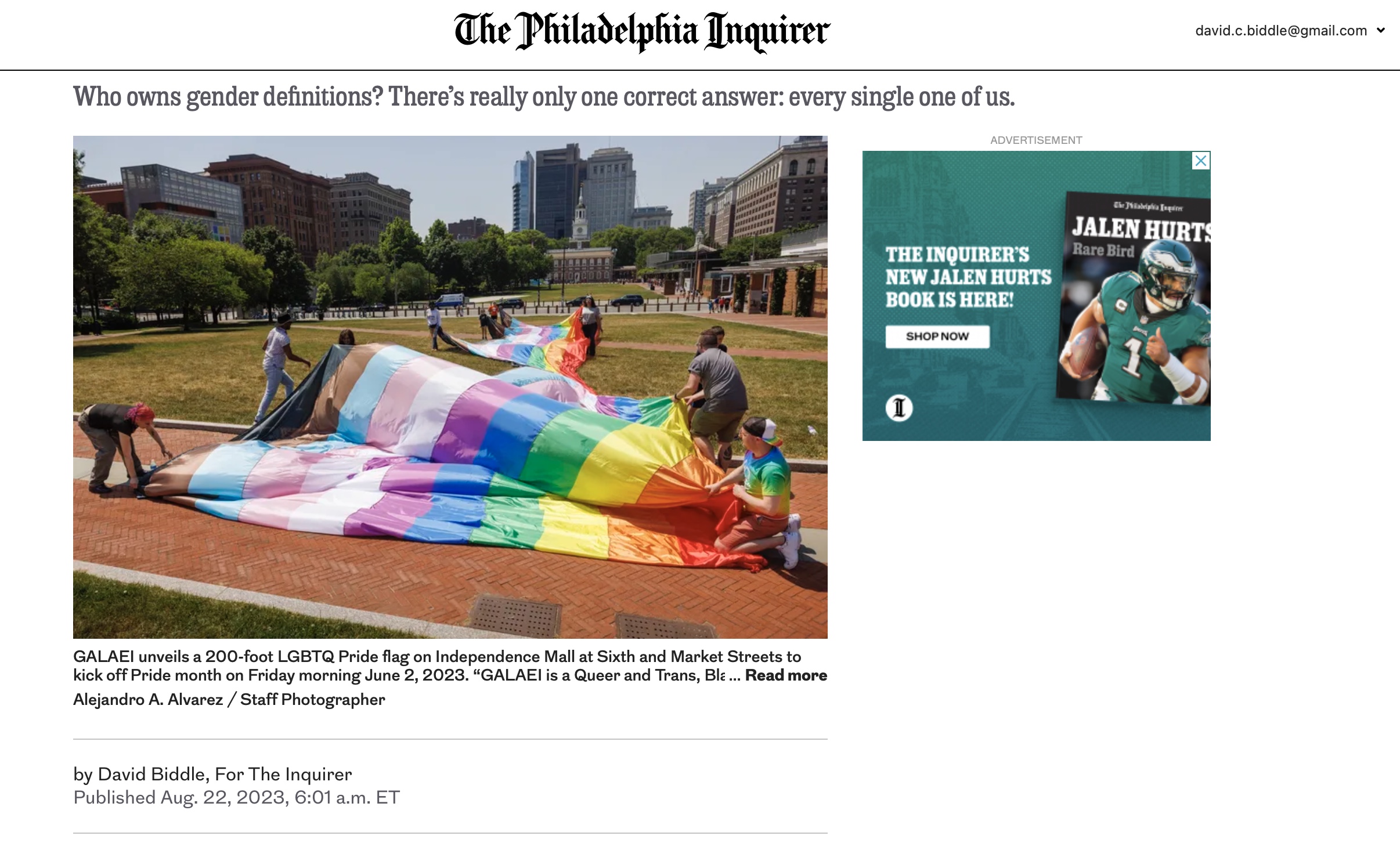
Philadelphia Inquirer Op-Ed on Gender Identity

My essay, “Our National Conversation About Gender is One Big Miscommunication,” was published in The Philadelphia Inquirer a few weeks ago. I was fortunate enough to work on it with Commentary and Opinion Editor, Devi Lockwood. I am always grateful when my work goes through the fine-tuning filter of professional editors. I was quite happy with that piece when I submitted it. It says a lot more than pretty much anyone else has said on gender and identity in a long time (check it out if you don’t believe me). However, I wonder if people fully understood that I was pointing my finger at all of us and our growing collective inability to communicate in this nutso country, not just those who have demonstrated political and kneejerk prejudices about transgender culture.

Continue reading

The Psychology of Sound

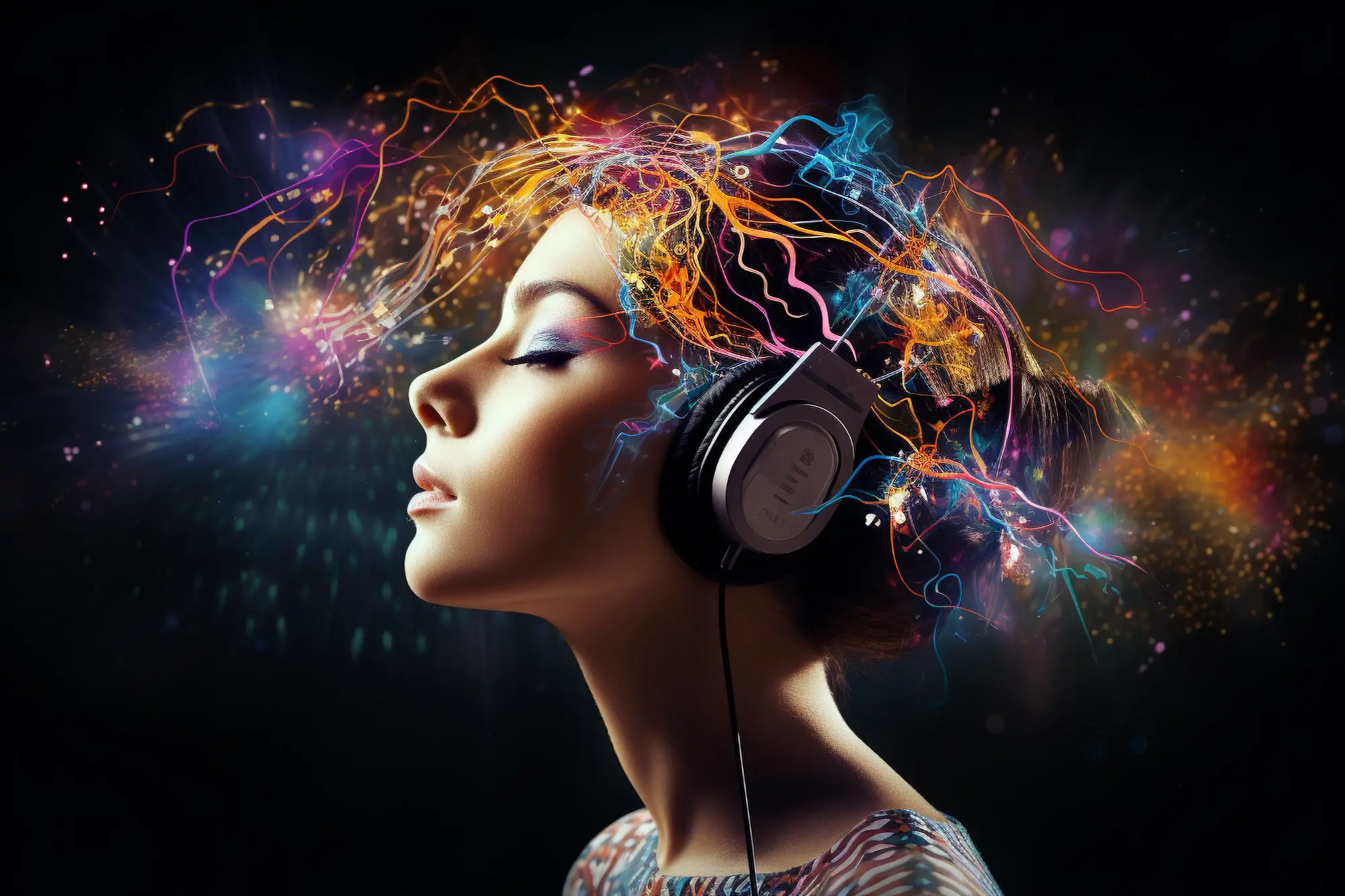
Brain on music

I’ve spent my entire life astounded by the magic of music, appreciating everything from opera and Gregorian chant to bluegrass and every kind of jazz there is. But what exactly is being touched in us and inspired when we listen to our favorite songs? What is this creation of new and complex emotion, the stimulation of sensuality, bittersweet memory, at times even, that awareness of sublime connection to the universe? How full and rich our lives are because of the beauty and profundity of sound waves organized into melody, rhythm, timber, and harmonic tones! Friedrich Nietzsche said it best: “Without music, life would be a mistake.”

Continue reading

The Rest of the Hemingway Effect

I’d been working on Chapter 12 of my next novel (due out in November this year, 2023) for a few days. A bit more than a thousand words in, I wrote this sentence: “He was going to need to figure out how to deal with whatever Arthur Gold had planned, but it wouldn’t do to show his hand right there.”  My brain came to a full stop. I understood I could take that sentence a whole bunch of directions. I had no idea which direction made sense. I also wasn’t sure I even liked that sentence.

I’d written about two pages (a decent amount for any morning at my desk). My brain was saying it’s time to call it quits. Something will show up tomorrow, hopefully. Maybe not. We’ll see. I wasn’t worried. However, a few years ago a shut down like that might have found me feeling incompetent or guilty or frustrated or discouraged .

Continue reading

Top 3 Worthwhile Books on Writing

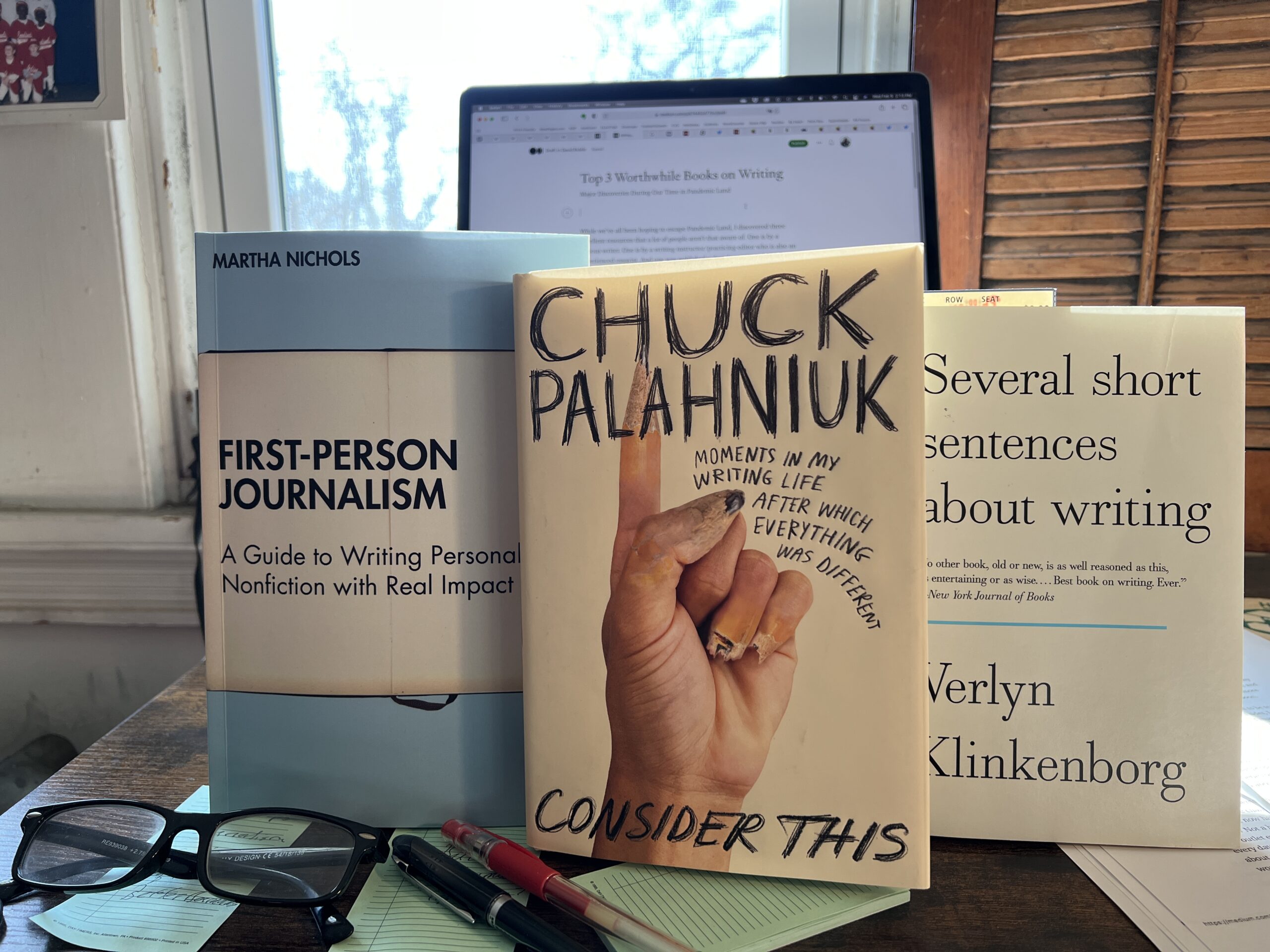
Three excellent books on writing in the 2020s

I discovered three excellent resources while stuck on Planet Covid Crazy back in 2021 and 2022. One is by a famous writer. One is by an experienced journalist who is also a writing instructor and editor. The last was published about a decade ago by a genius non-fiction author with a weird name I had never heard prior to March 2020. All three of these books are highly recommended for every kind of online writer — young, old, experienced, novice. They’re also vital reading for novelists, editors, online publishers, and anyone else trying to run a business in this nutso field of words and books and screens.

You may have read about some or all of these books in the past, but I’m giving my take here.

Continue reading

The Opposite of Zen?

Opposite of meditation?

Mindfulness and the sound of writing in your head.

What is it they say about meditation and the search for Enlightenment?

“The Master shall appear when you are ready.”

But what if the Master never shows up? Does that mean you still aren’t ready? That you may never be worthy? Maybe the Master knows you’re operating on a different plane. What if you’re an artist, particularly a poet or someone who writes fiction? Perhaps some of us aren’t meant to be ready.

Yogis and cognitive psychologists tell us that the benefits of meditation and mindfulness come from turning off the verbal mind. Writers, of course, tend to have a hard time quieting their thoughts, even when they aren’t sitting with their keyboard and screen or pencil and paper. I’ve wondered for years, then, whether writing is the opposite of Zen and maybe an impediment to my chance at ever attaining Enlightenment.

Continue reading

What Possibility Imagination?

Most people would love to have any of numerous magical powers. The most logical ones for this day and age are probably telepathy and psycho-time travel (also known as chronovoyance). Remote viewing and telekinesis are up there, too.

Specialized telekinesis talents, like the ability to control clock speeds, have been amply documented during the 20th century in several places around the world, most notably Israel, South Africa, and the French Cola Islands.

By 2010, other powers had been almost fully ruined by superhero movies. We know now that if people assume things are myths or just movie magic–like flying, super strength, invisibility–even time travel and thought control–people lose the ability to figure out whether they can actually do those things. And some people have always been able to whether they know it or not.

The elimination of anything super human from the possibility of imagination is a purely 21st century phenomenon. There is no telling how this is effecting cultural evolution. It may as well be the reason that so many people are caught up in silly (and imbecilic) conspiracy theories. That’s all most people have left.

(In preparation for the publication of my next novel, Sound Effect Infinity)