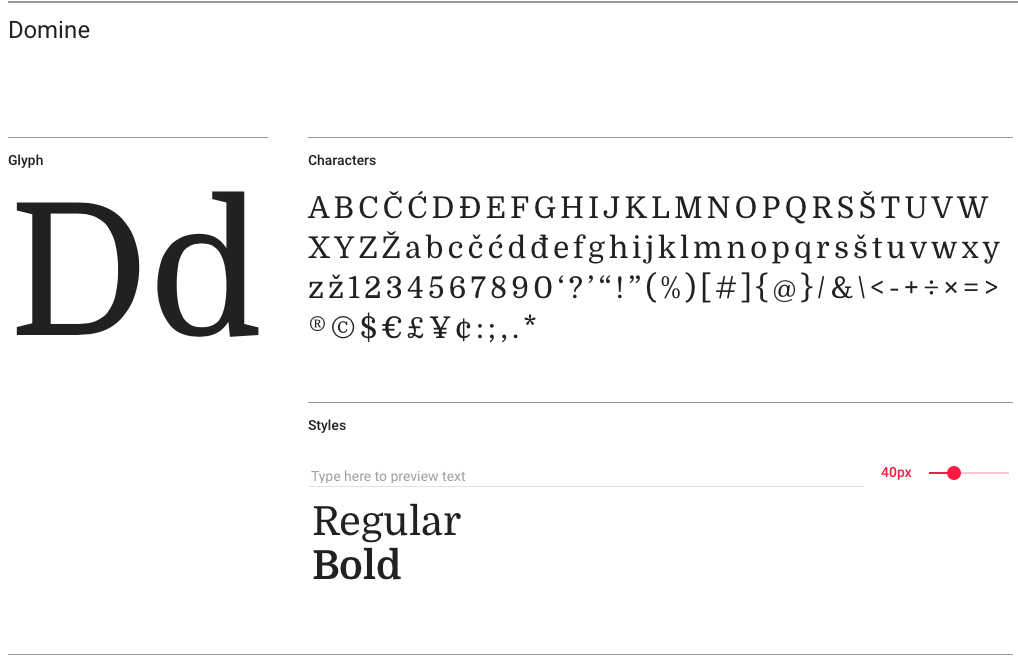
Special Note: This post was composed a week prior to the decision to overhaul the theme for this website. Thus, the font reference below, "Domine," is now anachronistic and passé. The font family here, now, is Lora. Apologies for any confusion.
In the category of “Will the Internet Always Be a Wild West Show?” I want to discuss font choices online. There used to be fairly clear rules for when you use sans serif fonts and when serif ones were more appropriate. In the old days when you finally got that Mac and were confronted with this massive fruit basket of typefaces your instinct was to go hog wild. I have always loved Comic Sans and once used it to print out a draft of a short story I’d written, only to find myself dizzy and feeling quite puckish reading half way through the second page.
FAKE NEWS from Washington Free Beacon, dated August 17, 2015
Note: The image to the right is not real. It is fake. It is not a dead parrot, but it is not a real parrot either.
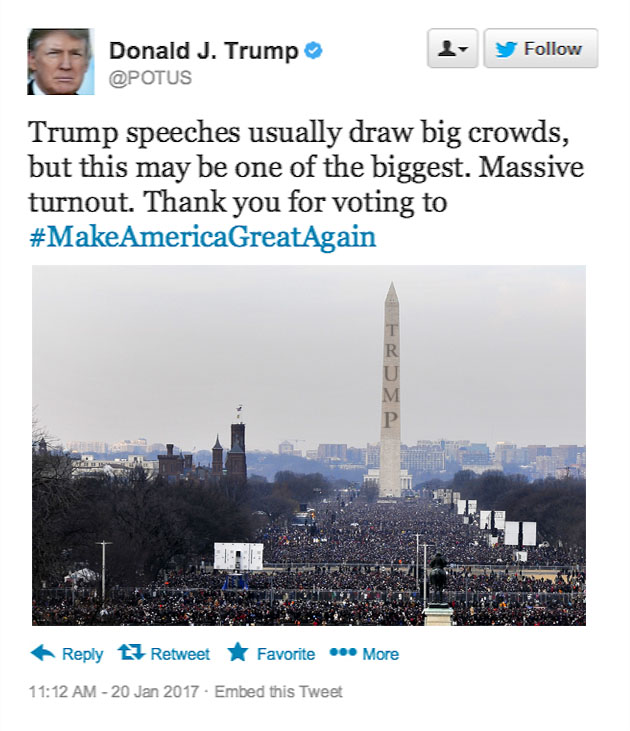
Reading and listening to the mainstream media, it has been suggested that this new president is willing to distort reality openly and brazenly with essentially no subtlety or grace mostly for his own self-aggrandizement and to protect his brand. The Trump brand has been his bread and butter for over forty years. Should we be surprised? We’ve known this guy since at least 1973. But is brand protection really an excuse for a president?
When I started writing this essay we’d just witnessed the pissing match between Trump and the media over how many people had attended his inauguration. During a very weird scene at CIA headquarters in Langley, VA, Trump said in the middle of a harangue about crowd numbers: “I have a running war with the media. They are among the most dishonest human beings on Earth.”
He had also sent out his two main mouthpieces, Sean Spicer and Kellyanne Conway to stir things up. Spicer, in his first ever White House lectern performance with the media, berated them for concocting lies and misinformation. The next day Kellyanne Conway introduced the idea of “alternative facts” to an incredulous Chuck Todd on Meet the Press. Everything’s been going downhill since that first weekend in the communication department for this administration. Continue reading →
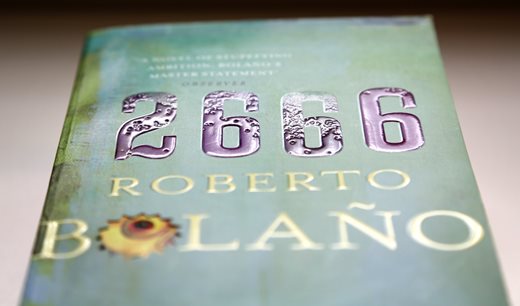
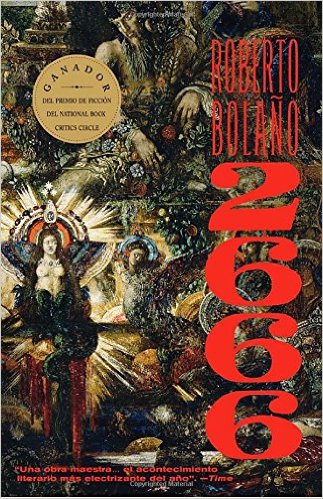
I finally finished Roberto Bolaño’s novel 2666 last month (912 pages in English; 1,136 in Spanish). It represents a year of reading for me (with some other stuff thrown in, but nothing I stayed with or finished). The beauty of books, as opposed to TV and movies, is that you can take your time and just tackle two or three pages a night for fifteen to twenty minutes at a shot. TV and movies make us think we have to eat whole stories quickly. If you can disavow that habit, and feel comfortable with the slow pace of reading, you will probably extend your life by at least eight years, maybe ten. Besides, 2666 is considered one of the most important novels of the early 21st century. It probably can’t be read quickly no matter who you think you are.
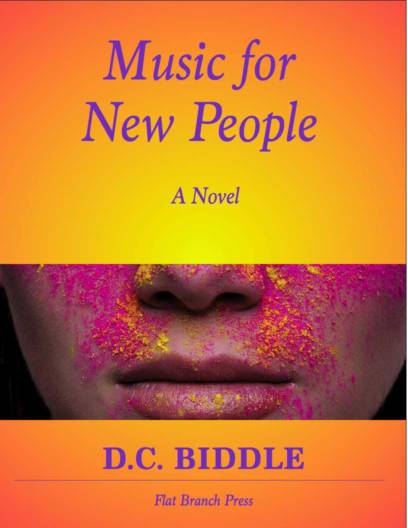
I just finished revising the second draft of my next novel, which means I now have Draft #3 to print out. I’m doing that as I write this post. The whole process started back in October of 2013. Draft #1 clocked in at about 160,000 words (630 pages). Revisions for Draft #2 in December of last year shrank the book to 140,000 words. I was surprised at how many unnecessary sentences I’d written and how many extended metaphors showed up that a reader didn’t really need.
Draft #3 was an extraordinary process. My goal was essentially to lop 60,000 words off the beast. I’d gotten a fair amount of input from a few First Readers. In particular, several poet colleagues were concerned about the number of sub-plots I was offering up. They wanted focus and brevity. Poets!
I took a few weeks to think through their advice. I also got an interesting letter from a prospective agent saying, in essence, “I can’t take a look at a coming-of-age novel that is 140,000 words long.” Agents!
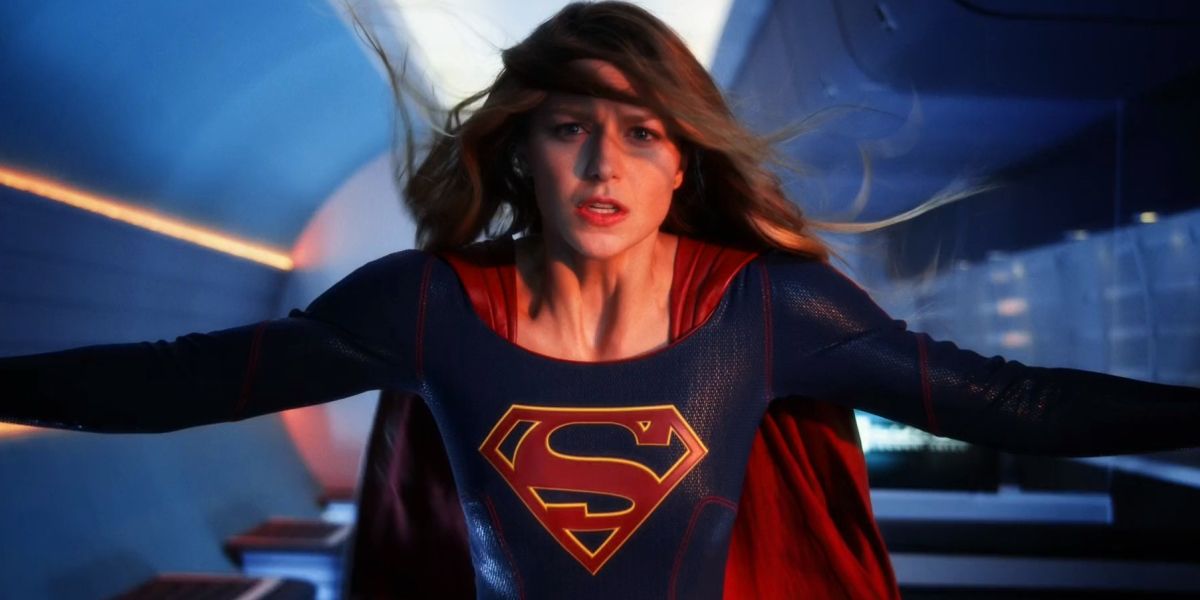
Melissa Benoist as the new Supergirl (aka Kara Danvers)
I kept getting goosebumps every time the promo pieces for the new Supergirl show came on TV in the first three weeks of October. The week before the show debuted I told my wife that I simply had to watch it. She gave me a funny look, but didn’t argue. When we finally sat down that first night, I was surprised at how excited I was. And when the moment came for Kara to say, “To hell with trying to hide who I really am,” and she went running through the dark streets of National City, leaping into the air (in fits and starts) until she was soaring through the sky on her way to save a sure-to-crash jet, I burst into tears. Seriously. No shit!
I am a 57-year-old father of three young men. My boys were all stud baseball players from the age of six all the way through high school. One of them is now a minor leaguer in the Phillies organization. I have been a lover of most male-oriented sports all my life. I revere macho writers like Hemingway, Kerouac, Henry Miller, and Charles Bukowski. And I’ve been in love with sexy Continue reading →
I want to share some thoughts on what I read this summer, just so you know what writers do with all that spare time they have. At the end of this essay I also report on some of the stuff I have been working on.
This was my first summer being an empty nest writer. For the record, half of what writers do is read each other’s work. That’s probably why the job seems so great every once in a while.
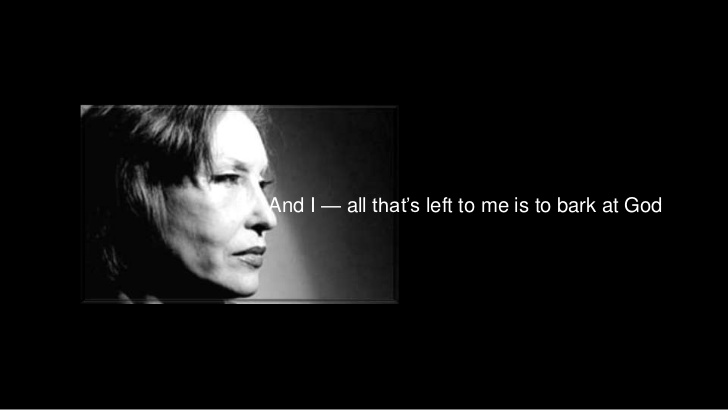
My goodness, there is so much brilliant literature coming out these days — particularly by women. Beginning in July, I stumbled into all sorts of work by Renata Adler, Joy Williams, Cesar Aira, Shirley Jackson, Elena Ferrante, Mat Johnson, Lucia Berlin, Roxane Gay, and Clarice Lispector (she who barks at God, see photo above). All of these folks are pushing language and literature forward. We worry, right?, about the notion that fiction is coming to rest on the surface of the toilet waters of the world. Not so. You just have to keep looking for them that knows how to float around the room. They’re out there. I was smitten in particular with Aira, Lispector, and Renata Adler.
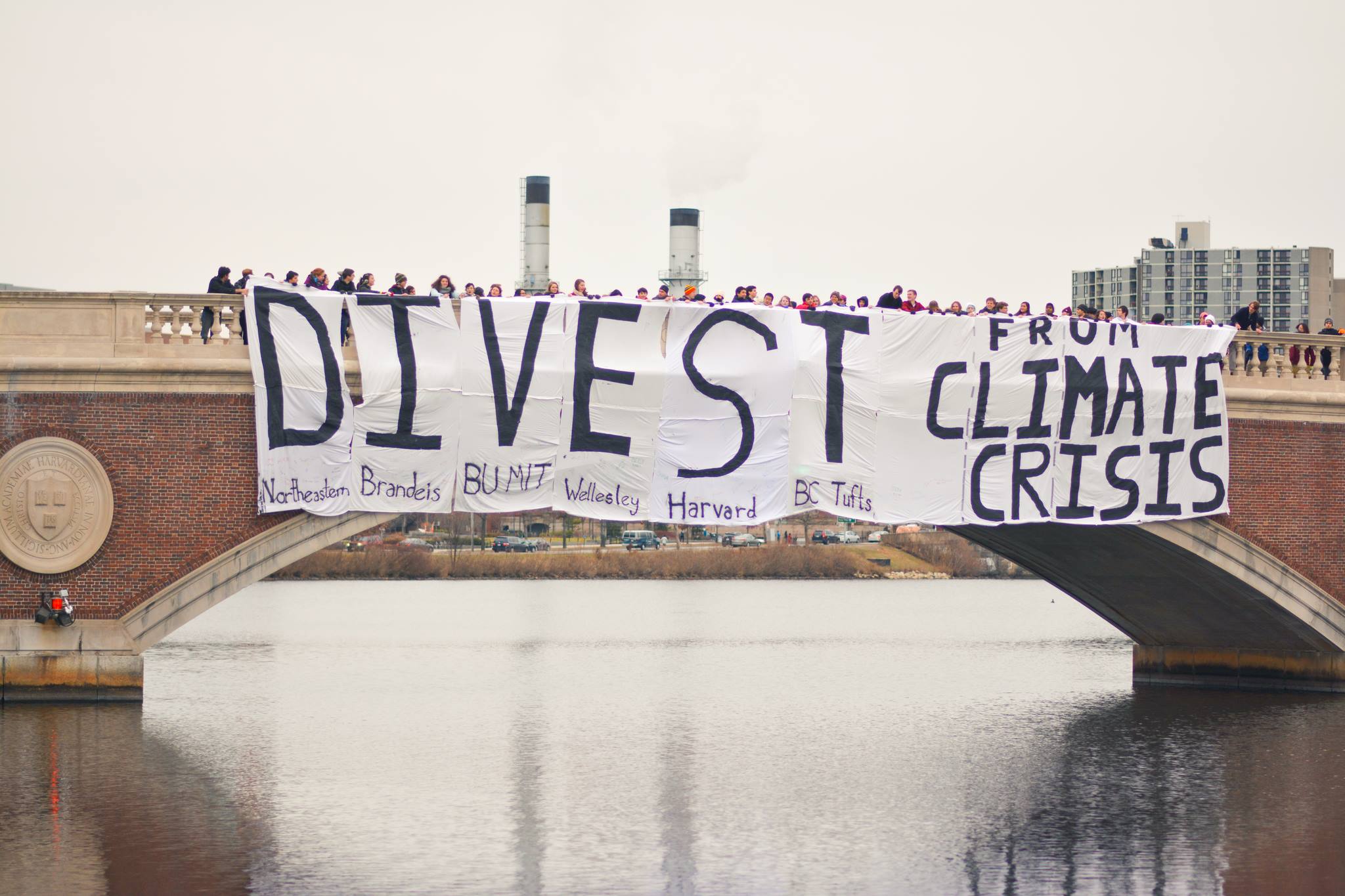
This spring Swarthmore College’s students, alumni and faculty stood up to demand that the school’s Board of Managers (their trustees) divest funding in fossil fuel businesses and technologies. I reported on that here in “The State of the War on Climate Change” a few weeks ago. The Board of Managers voted down that option just days later.
What I also reported on in that essay was that this is just the beginning of campus actions to divest in Continue reading →
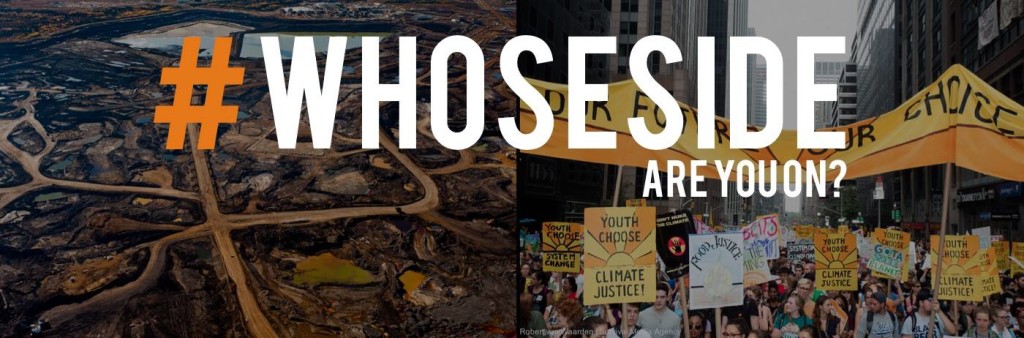
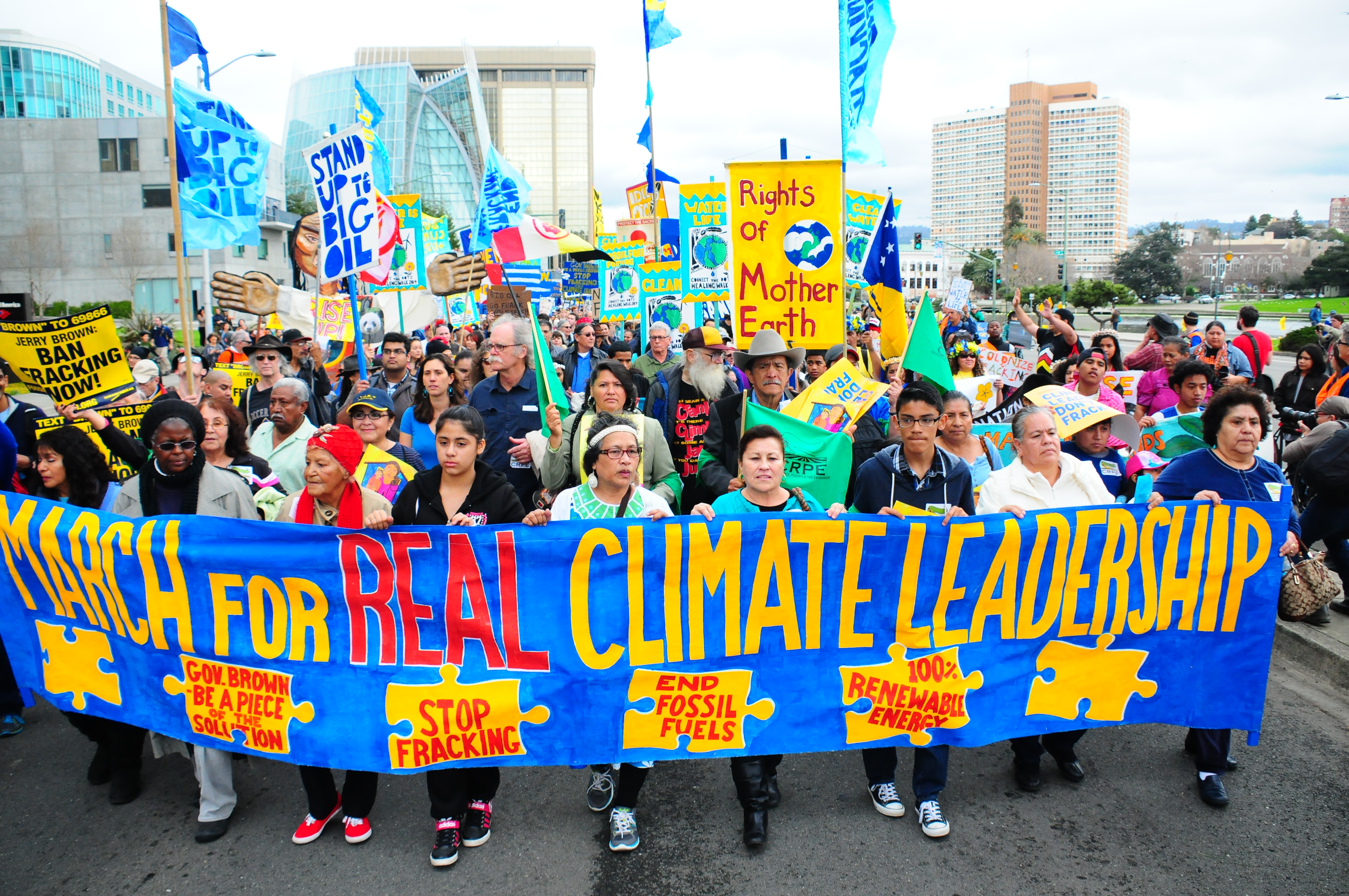
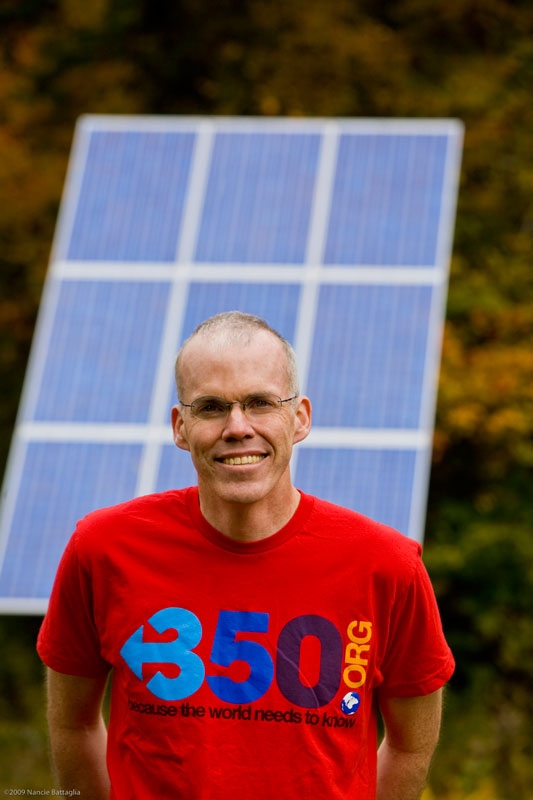
Talking Writing magazine just posted an interview I did with climate activist and environmental journalist Bill McKibben called “We Don’t Require Leaders.” I urge you to go check it out. McKibben surprised me with some of his answers. The whole climate equation and how it impacts culture and politics is not simple or predictable.
I did a lot of research for my interview. You can never get in all your questions. Nor can you make all the points you want to make in your interview introduction. I want to add a bit here, then, if that’s okay. It’s my contribution this week to what will likely otherwise be a finger snapping coverage of Earth Day by mainstream media. Continue reading →
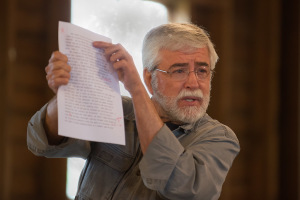
Over at Talking Writing they just posted an interview I did with the great American travel writer and chronicler of deep culture, William Least Heat-Moon. I had a lot of fun researching and preparing for this Q&A session. I think Bill had a good time answering my questions.
We talk about his newest book, the need to write with care, book categories, and digital publishing, among other things. Here’s a snip from my introduction. You can read the whole piece over at TW right now. Just follow the link at the end of this cut.
I highly recommend purchasing Writing Blue Highways and Blue Highways itself as holiday gifts this year. These are true examples of great writing by one of this country’s most distinguished bards.
William Least Heat-Moon: “Damnable Speed”
TW Interview by David Biddle
December 10, 2014
In 1982, the Atlantic Monthly Press and Little, Brown published Blue Highways: A Journey into America. It’s William Least Heat-Moon’s account of a three-month, 14,000-mile road trip he took in a converted mini-van he called Ghost Dancing. Heat-Moon drove the back roads designated as blue lines in his Rand McNally Atlas.
Blue Highways surprised the publishing world. It was hard to categorize yet sat on the bestseller list for nearly a year. Part social history, part travel writing, and part spiritual odyssey, Blue Highways offers tales of America’s forgotten “outback” and the people still connected to that fading world. The writing is lyrical, full of life lessons, and informed by a strong environmental ethic. Heat-Moon went on to publish many other works, including the recent An Osage Journey to Europe, 1827-1830, coauthored with James K. Wallace (University of Oklahoma Press, 2013).
His latest project is Writing Blue Highways (University of Missouri Press, 2014). It’s an autobiographical tale of the trials and tribulations of a then-unknown author struggling through nearly four years to write (and rewrite ten-plus different times) an acceptable manuscript for publication. But more important, Writing Blue Highways is also the definitive story of how a work of literary art, from conception to publication, comes to be. Read the rest in Talking Writing’s Holiday Issue 2014.