What Do Mistakes Say About Writers?

Photo by Ken Suarez on Unsplash

I have a problem here in this ultra-modern digital screenlife we’re all bouncing through. I can’t arrive at true and realistic final edits for my essays, articles, or even comments until I’ve posted online whatever I’ve composed in draft form offline.

For blog posts especially, I don’t fully catch typos and grammatical mistakes until I’m looking at my work with the awareness that there may well be real, live, anonymous people reading me out their in a big cruel opinionated world. Sometimes I catch structural problems in my work I should have seen from the beginning — maybe the need to move sentences into new positions, or ways to cut sections that I couldn’t see until the dang thing had gone global.

Continue reading
Lonely Rebels Unite: It’s Novelicious

Photo by Jonathan Cooper on Unsplash

You go through quite a journey of discovery when you write a novel. The reason that long fiction is so important is because it’s an extended opportunity to learn and think about being in the world. Sometimes novels and their ilk can also be a catalyst for Big Thought about the meaning of life and the Universe itself.

For novelists, as much as we want to provide readers with intriguing stories, what also happens is that we figure out new tidbits for ourself about the writing process and about storytelling in general. I’ve written extensively on that journey already in a number of places, but most importantly over at The Story Plant’s website I wrote about what I learned about American fiction while writing Old Music for New People.

Continue reading

Talking to Each Other Without Understanding Much at All

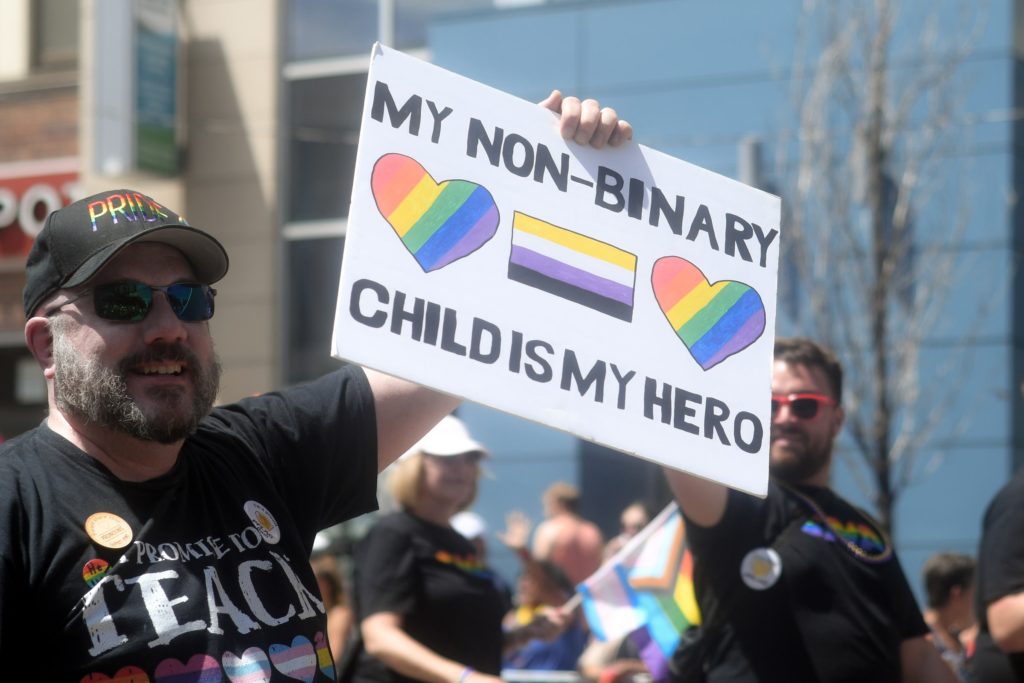
Photo by Meg on Unsplash

My essay post at The Story Plant from mid-July touches very directly on how poorly all of us have done talking with each other about gender identity issues. For years!

We’re not doing well in general these days talking about a lot of stuff, but the gender thing is really indicative of how inadequate people’s abilities to speak and listen have become. So many of us think we know “the truth” about gender. So many speak from the side of feeling judged by others and then judging back in return. It’s kind of a weird do-loop. What is the deal with judging others without trying to understand them first?

Continue reading

Do You Know What You’re Missing?

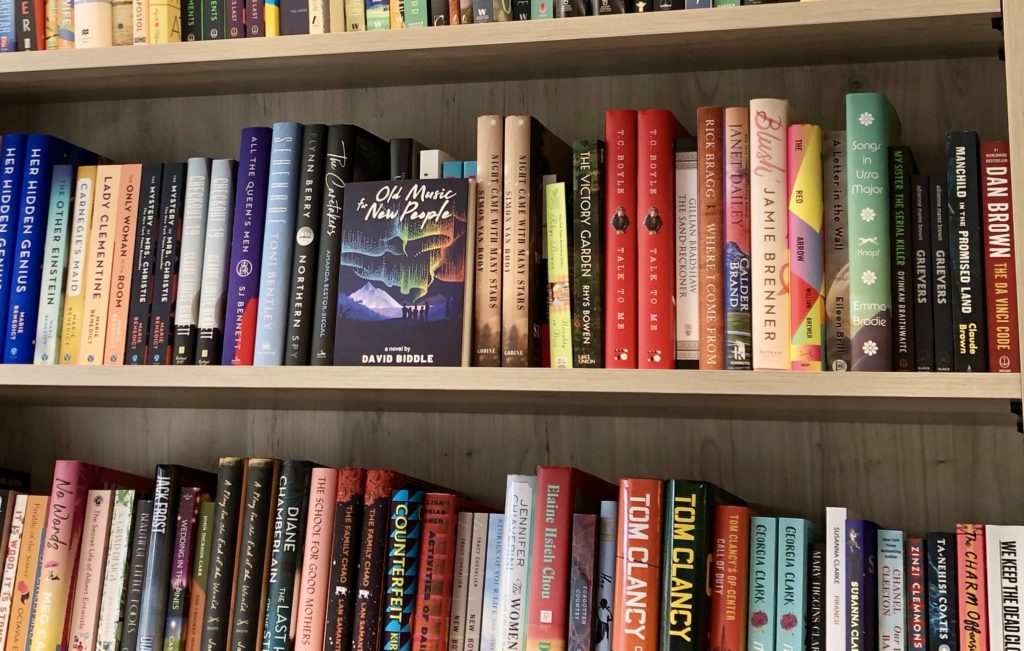
Bookshelf at Booked in Chestnut Hill, Philadelphia

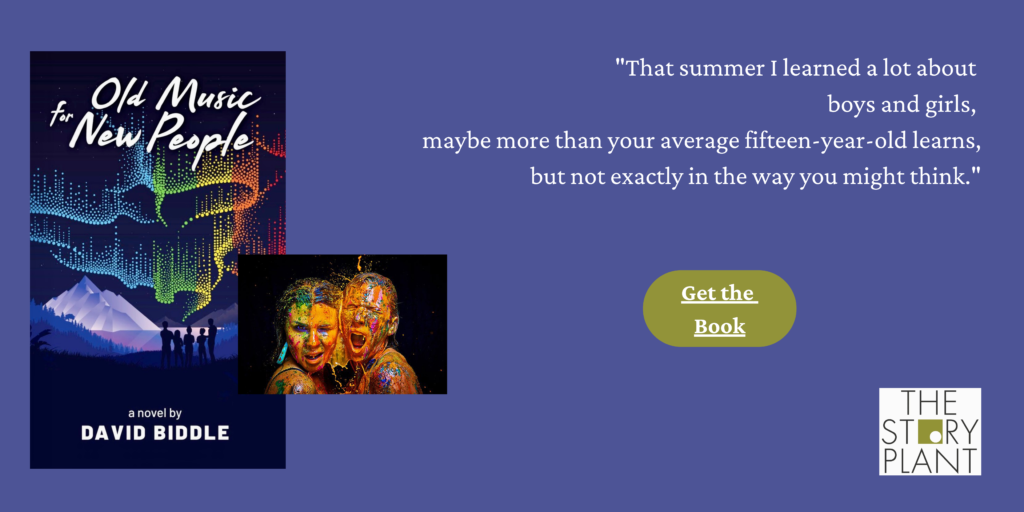
I’ve had three guest posts up now at my publisher’s web site . Each of the pieces gives a bit of a different take on the origins of my novel, Old Music for New People. The read time for each of them is about a five minute read or less. I’m quite happy with each of those brief essays. They’re worth a read whether you buy my novel or not.

I’ve always had a difficult time as a writer with the idea of needing to explain myself and my work. It may be a weird way to look at the finished product, but ever since I published my first magazine article back in the 1980s it always feels like the words I wrote belong to each reader and to the world at large. My personal intent and purpose in writing something–anything–is secondary. What the reader thinks of whatever I’ve created is all that matters.

Continue reading

A July 4th Clip from “Old Music for New People” Chapter 11: Fireworks and Duds

A scene from the book Old Music for New People

That first shot of light into the night sky feels like they’re offering you a promise of magic that you’d forgotten about all year. There’s a single volley with a tail of faint light opening up a crack in the black, then a big bang followed by a shower of sparkles and glitter swirling and falling. You wait maybe ten seconds, then you hear two quick phumps, one by one, and then a big spray of sparks and a bunch of small spider flowers burst against the black sky. Masked by the explosions those two made are a bunch more phumps and then more sparks and glitter light.

Continue reading

The Old Music Part of Writing “New People”

My novel, Old Music for New People, is driven in part by its characters’ thoughts and feelings about specific songs and musicians (baseball and food also have prominent roles in the plot). Many of the stories I write, whether long or short, have music painted into them. Sometimes I wonder if I’m a bit too hopeful about the idea of using words to describe what music does to characters emotionally and philosophically–and what it does to readers as well in their everyday lives.

Continue reading

The Summer We Are 15

So much to balance about life during the summer we are 15

Flash growth and learning to survive.

A version of this essay was originally published at Medium.com and then with The Good Men Project “Modern Identities” imprint

I was 15 in 1973. It was the year my parents began their divorce. It was also the year that I began to seriously grow my hair long and think — quite innocently compared to life here in the 2020s — about why there are limitations on our behavior as male and female members of our society. What kind of person did I feel I wanted to become? Why did what people think of me make me feel so much pressure? What does it mean when we’re expected to conform?

I also fell in love with a girl who happened to be an amazing athlete and musician at the beginning of the summer. She was a whip-smart student as well. I was an okay athlete, could kind of sing, and did well enough in subjects that I liked. I should have felt emasculated by her. However, I took pride in being her boyfriend specifically because she could beat me at tennis and ping pong and most any card game. I didn’t feel like a lesser human at all. Even though we never talked about it, I don’t think she ever considered me lesser either.

Continue reading

My Story “Like They’re Waiting” Gets Published

I just learned that the folks at Adelaide Literary Magazine published my story “Like They’re Waiting” at their site back in January. It’s a very short piece of flash fiction, but one of my favorite projects from the past few years even though it’s a bit confrontational for the reader. I came to it partially inspired by real life events. Also, perhaps, I was a bit touched in the head by all the time we all spent in that first two years living on Planet Covid.

Besides having a comprehensive online publishing presence, Adelaide Literary Magazine is a print-based operation publishing a monthly journal of fiction, poetry, non-fiction, book reviews, and interviews. They also run a small press imprint called Adelaide Books that is more prolific than any other micro-type operation I’ve encountered.

Continue reading

Writing in a Girl’s Voice

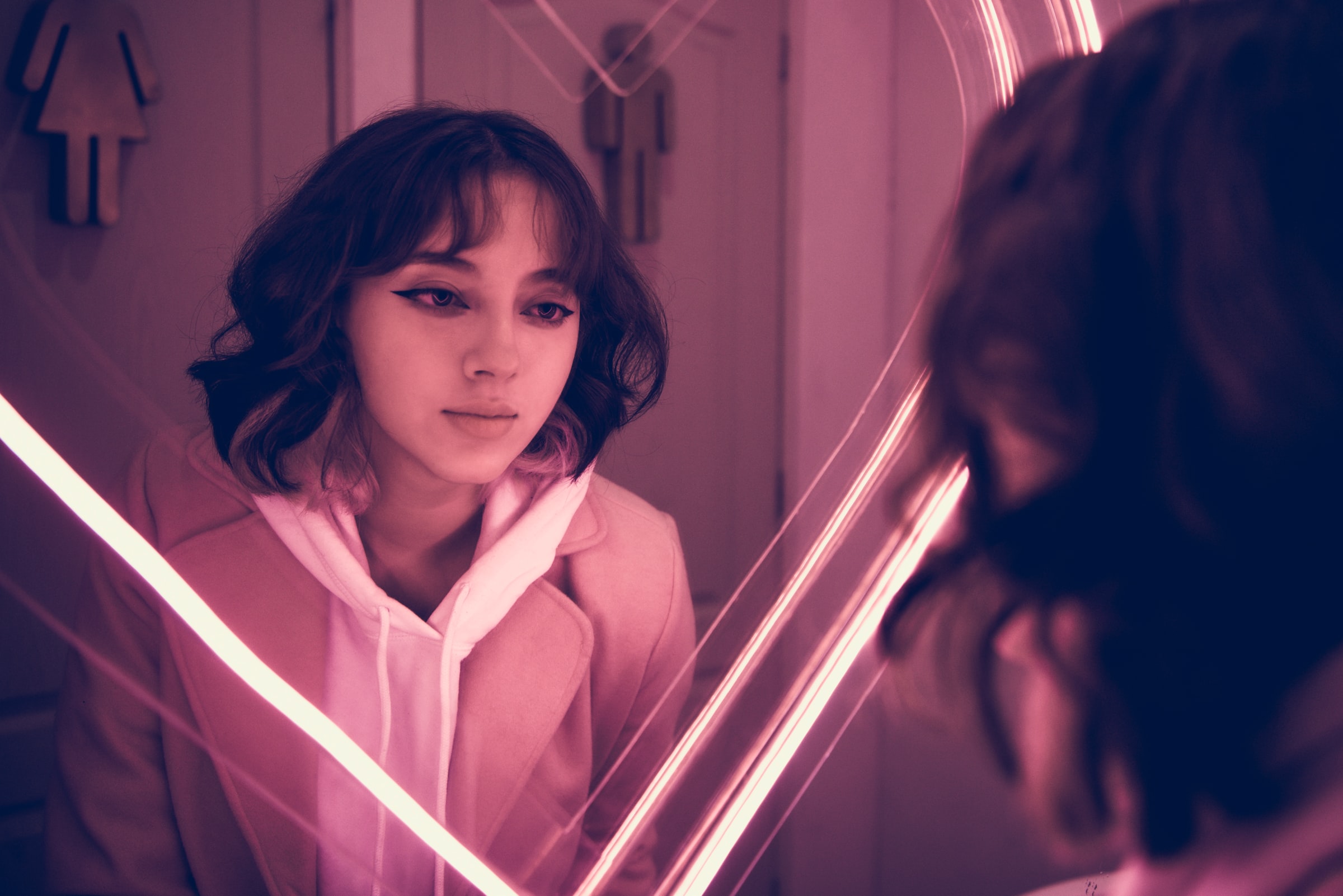
Girl looking in a mirror

Never tell a character in your head to get lost

A slightly different form of this essay was published in Medium.com

One morning nearly ten years ago, a voice showed up in my head as I was walking up the stairs to my 3rd floor writing room. They were offering the beginning line of a story. By the time I sat in front of my laptop, the voice made it clear that I needed to get to work immediately. “She” absolutely was not going to leave me alone.

No one told us we were going to have a summer-long visitor until the night before that visitor arrived.

Ivy Scattergood

A few months before that, I’d gone back and read a bunch of young adult coming-of-age stories. This was around the time I was becoming acutely aware of the fact that our youngest son was about to leave home for college. I suppose that because I’m a writer going back to my reading roots made sense. Maybe others return to old music, long walks, or pre-parent hobbies.

Continue reading