The Opposite of Zen?

Opposite of meditation?

Mindfulness and the sound of writing in your head.

What is it they say about meditation and the search for Enlightenment?

“The Master shall appear when you are ready.”

But what if the Master never shows up? Does that mean you still aren’t ready? That you may never be worthy? Maybe the Master knows you’re operating on a different plane. What if you’re an artist, particularly a poet or someone who writes fiction? Perhaps some of us aren’t meant to be ready.

Yogis and cognitive psychologists tell us that the benefits of meditation and mindfulness come from turning off the verbal mind. Writers, of course, tend to have a hard time quieting their thoughts, even when they aren’t sitting with their keyboard and screen or pencil and paper. I’ve wondered for years, then, whether writing is the opposite of Zen and maybe an impediment to my chance at ever attaining Enlightenment.

Continue reading

What Possibility Imagination?

Most people would love to have any of numerous magical powers. The most logical ones for this day and age are probably telepathy and psycho-time travel (also known as chronovoyance). Remote viewing and telekinesis are up there, too.

Specialized telekinesis talents, like the ability to control clock speeds, have been amply documented during the 20th century in several places around the world, most notably Israel, South Africa, and the French Cola Islands.

By 2010, other powers had been almost fully ruined by superhero movies. We know now that if people assume things are myths or just movie magic–like flying, super strength, invisibility–even time travel and thought control–people lose the ability to figure out whether they can actually do those things. And some people have always been able to whether they know it or not.

The elimination of anything super human from the possibility of imagination is a purely 21st century phenomenon. There is no telling how this is effecting cultural evolution. It may as well be the reason that so many people are caught up in silly (and imbecilic) conspiracy theories. That’s all most people have left.

(In preparation for the publication of my next novel, Sound Effect Infinity)

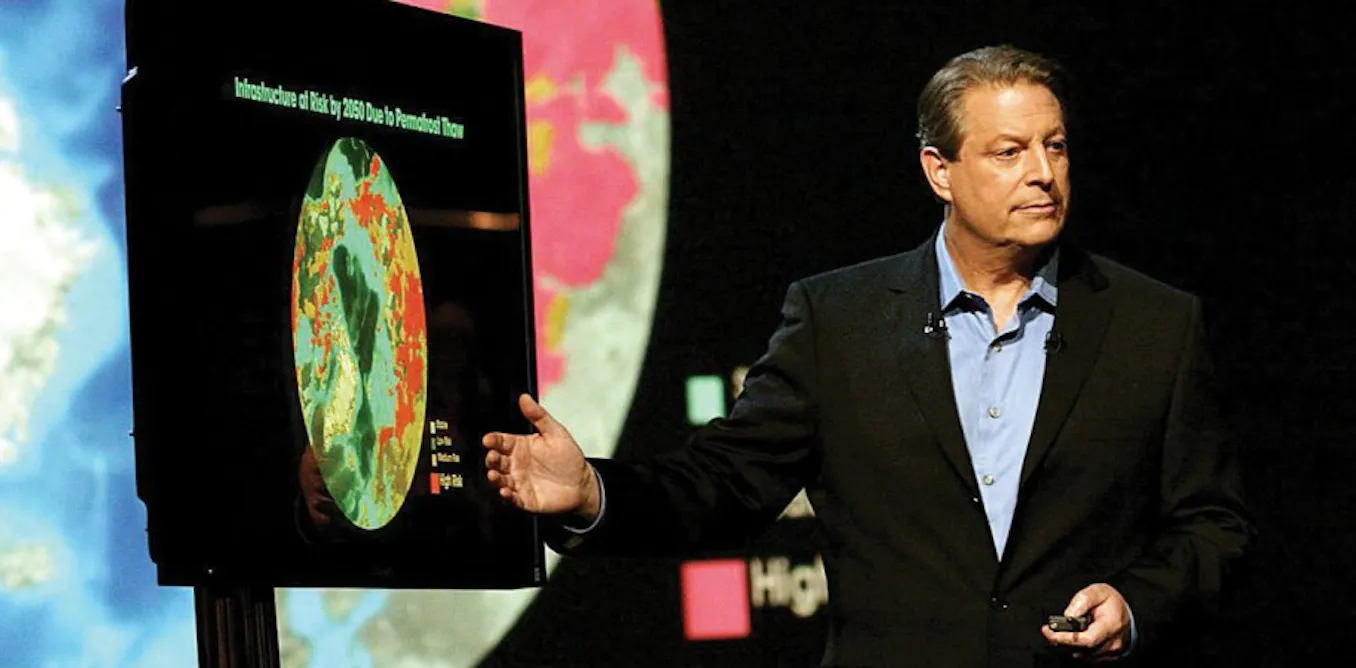
Freezing Our Asses Off at the Feet of Al Gore

An essay first posted at GetUnderground.com and BlueOlives back in 2006 that is still highly relevant here in 2022.

Still from An Inconvenient Truth (2006) (Handout)

Dateline: August 2006 –The last time my wife Marion and I went on a date was back in 1990–before $3.00 gallons of gasoline; before the Prius; before the iPod; before the World Wide Web; before frickin’ Harry Potter. We saw the movie Darkman. Marion was so disgusted by the opening scene where the super bad guy, Robert Durant, cuts off a small-time hood’s finger with a cigar trimmer, that she walked out of the packed theater (I got her to come back, and there were no more problems, but it was a boring movie–very dark, but that’s about it). We were just past the age of 30 back then and it felt like we had the world by the tail. Nothing was dark to us except movies, novels, and closets. 

Continue reading

Why There Are No Final Drafts

Photo by Jakob Owens on Unsplash

I completed the first draft of a story called “Millie Floating” in the fall of 2004. In those days, my goal was to edit a project until I had a final draft, at which time I could send it out to publications until someone accepted it. That was naive and wrong.

Fast forward nearly two decades. “Millie Floating,” a weird little story about a guy who wonders if his wife has murdered the family dog, was published in the Toho Literary print collection, The Best Short Stories of Philadelphia 2021. It would never have been published if I’d stuck with that final draft theory.

Continue reading

What Do Mistakes Say About Writers?

Photo by Ken Suarez on Unsplash

I have a problem here in this ultra-modern digital screenlife we’re all bouncing through. I can’t arrive at true and realistic final edits for my essays, articles, or even comments until I’ve posted online whatever I’ve composed in draft form offline.

For blog posts especially, I don’t fully catch typos and grammatical mistakes until I’m looking at my work with the awareness that there may well be real, live, anonymous people reading me out their in a big cruel opinionated world. Sometimes I catch structural problems in my work I should have seen from the beginning — maybe the need to move sentences into new positions, or ways to cut sections that I couldn’t see until the dang thing had gone global.

Continue reading

Lonely Rebels Unite: It’s Novelicious

Photo by Jonathan Cooper on Unsplash

You go through quite a journey of discovery when you write a novel. The reason that long fiction is so important is because it’s an extended opportunity to learn and think about being in the world. Sometimes novels and their ilk can also be a catalyst for Big Thought about the meaning of life and the Universe itself.

For novelists, as much as we want to provide readers with intriguing stories, what also happens is that we figure out new tidbits for ourself about the writing process and about storytelling in general. I’ve written extensively on that journey already in a number of places, but most importantly over at The Story Plant’s website I wrote about what I learned about American fiction while writing Old Music for New People.

Continue reading

Talking to Each Other Without Understanding Much at All

Photo by Meg on Unsplash

My essay post at The Story Plant from mid-July touches very directly on how poorly all of us have done talking with each other about gender identity issues. For years!

We’re not doing well in general these days talking about a lot of stuff, but the gender thing is really indicative of how inadequate people’s abilities to speak and listen have become. So many of us think we know “the truth” about gender. So many speak from the side of feeling judged by others and then judging back in return. It’s kind of a weird do-loop. What is the deal with judging others without trying to understand them first?

Continue reading

Do You Know What You’re Missing?

Bookshelf at Booked in Chestnut Hill, Philadelphia

I’ve had three guest posts up now at my publisher’s web site . Each of the pieces gives a bit of a different take on the origins of my novel, Old Music for New People. The read time for each of them is about a five minute read or less. I’m quite happy with each of those brief essays. They’re worth a read whether you buy my novel or not.

I’ve always had a difficult time as a writer with the idea of needing to explain myself and my work. It may be a weird way to look at the finished product, but ever since I published my first magazine article back in the 1980s it always feels like the words I wrote belong to each reader and to the world at large. My personal intent and purpose in writing something–anything–is secondary. What the reader thinks of whatever I’ve created is all that matters.

Continue reading

A July 4th Clip from “Old Music for New People” Chapter 11: Fireworks and Duds

A scene from the book Old Music for New People

That first shot of light into the night sky feels like they’re offering you a promise of magic that you’d forgotten about all year. There’s a single volley with a tail of faint light opening up a crack in the black, then a big bang followed by a shower of sparkles and glitter swirling and falling. You wait maybe ten seconds, then you hear two quick phumps, one by one, and then a big spray of sparks and a bunch of small spider flowers burst against the black sky. Masked by the explosions those two made are a bunch more phumps and then more sparks and glitter light.

Continue reading