I have a problem here in this ultra-modern digital screenlife we’re all bouncing through. I can’t arrive at true and realistic final edits for my essays, articles, or even comments until I’ve posted online whatever I’ve composed in draft form offline.
For blog posts especially, I don’t fully catch typos and grammatical mistakes until I’m looking at my work with the awareness that there may well be real, live, anonymous people reading me out their in a big cruel opinionated world. Sometimes I catch structural problems in my work I should have seen from the beginning — maybe the need to move sentences into new positions, or ways to cut sections that I couldn’t see until the dang thing had gone global.
You go through quite a journey of discovery when you write a novel. The reason that long fiction is so important is because it’s an extended opportunity to learn and think about being in the world. Sometimes novels and their ilk can also be a catalyst for Big Thought about the meaning of life and the Universe itself.
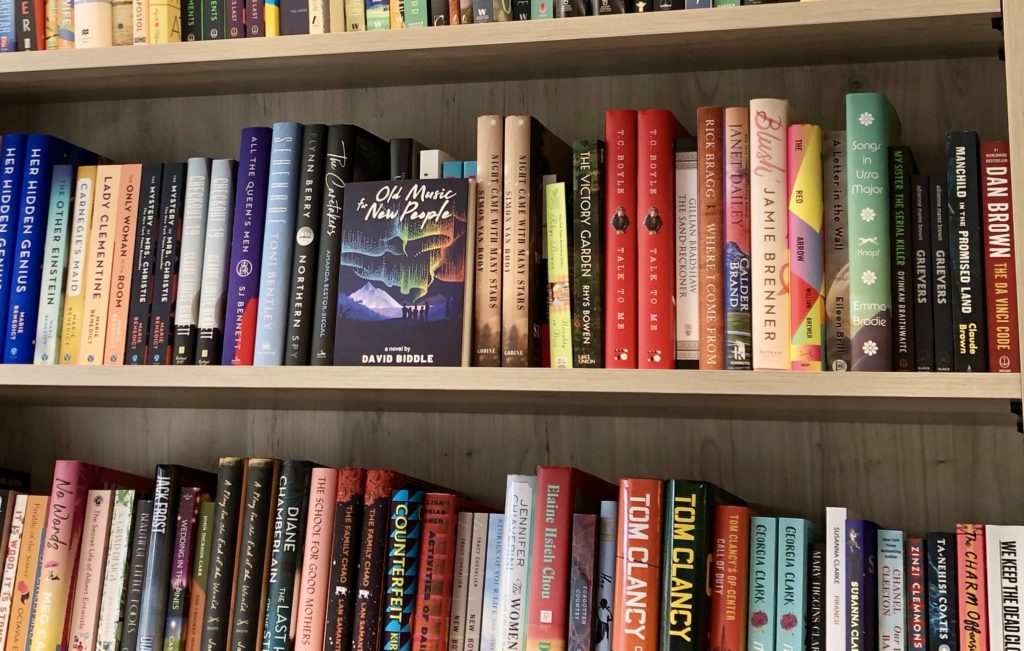
For novelists, as much as we want to provide readers with intriguing stories, what also happens is that we figure out new tidbits for ourself about the writing process and about storytelling in general. I’ve written extensively on that journey already in a number of places, but most importantly over at The Story Plant’s website I wrote about what I learned about American fiction while writing Old Music for New People.
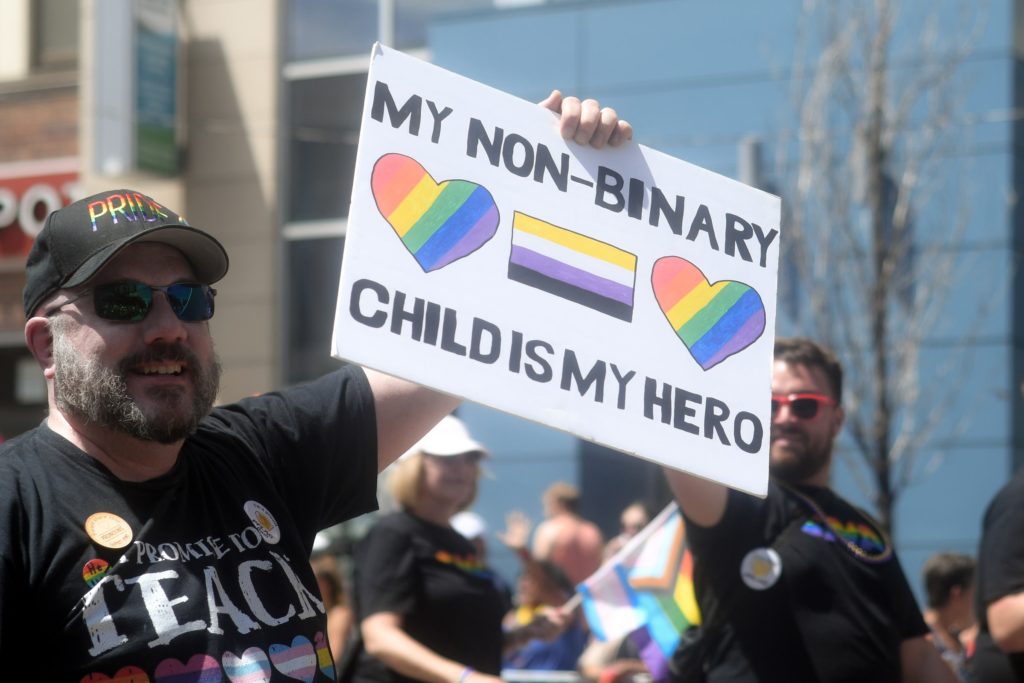
My essay post at The Story Plant from mid-July touches very directly on how poorly all of us have done talking with each other about gender identity issues. For years!
We’re not doing well in general these days talking about a lot of stuff, but the gender thing is really indicative of how inadequate people’s abilities to speak and listen have become. So many of us think we know “the truth” about gender. So many speak from the side of feeling judged by others and then judging back in return. It’s kind of a weird do-loop. What is the deal with judging others without trying to understand them first?
I’ve had three guest posts up now at my publisher’s web site . Each of the pieces gives a bit of a different take on the origins of my novel, Old Music for New People. The read time for each of them is about a five minute read or less. I’m quite happy with each of those brief essays. They’re worth a read whether you buy my novel or not.
I’ve always had a difficult time as a writer with the idea of needing to explain myself and my work. It may be a weird way to look at the finished product, but ever since I published my first magazine article back in the 1980s it always feels like the words I wrote belong to each reader and to the world at large. My personal intent and purpose in writing something–anything–is secondary. What the reader thinks of whatever I’ve created is all that matters.
Love seems to be growing rarer and rarer in this world, doesn’t matter which kind I’m talking about. There’s vitriol and hostility everywhere — on all sides. I get it, I suppose. Love in every form requires vulnerability and courage. These days everyone on so many levels is tired of feeling vulnerable. It’s all too obvious as well that courage and personal strength and the ability to take care of other people are expended resources.
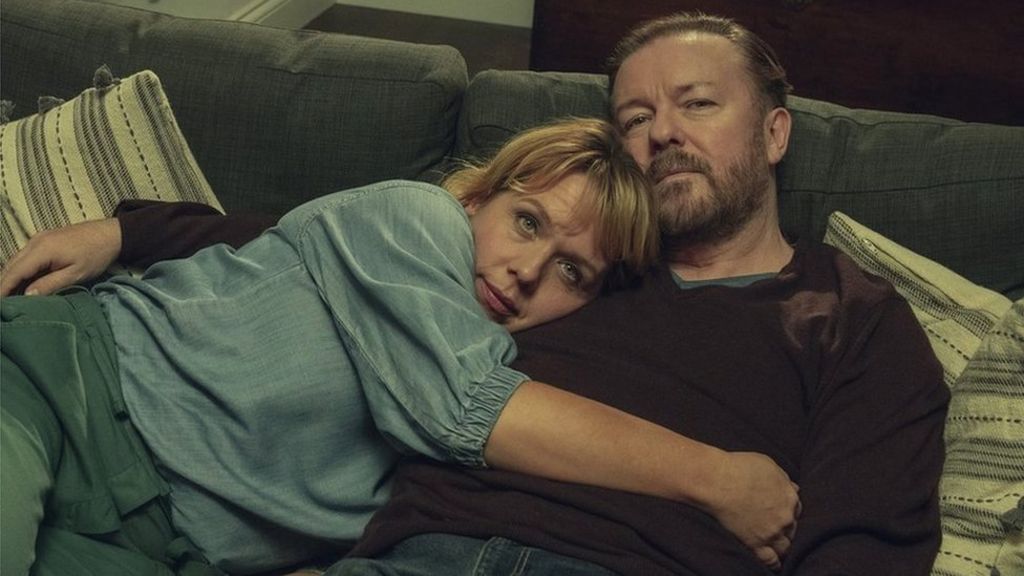
So, in the words of the world’s greatest living romantic nihilistic cynic, Tony Johnson (Ricky Gervais) in the wonderful TV show After Life:
“… (long sigh …) Ah, fuck me!”
Tony Johnson (Ricky Gervais)
And yet, somehow, I’m pretty sure a good many people on this good green earth continue to wake up in love every morning. They can’t help it. I’m thinking of those still romantically connected to their partners; those with unshakable friendships; and whole families in general, no matter how distant and separated by coronavirus.
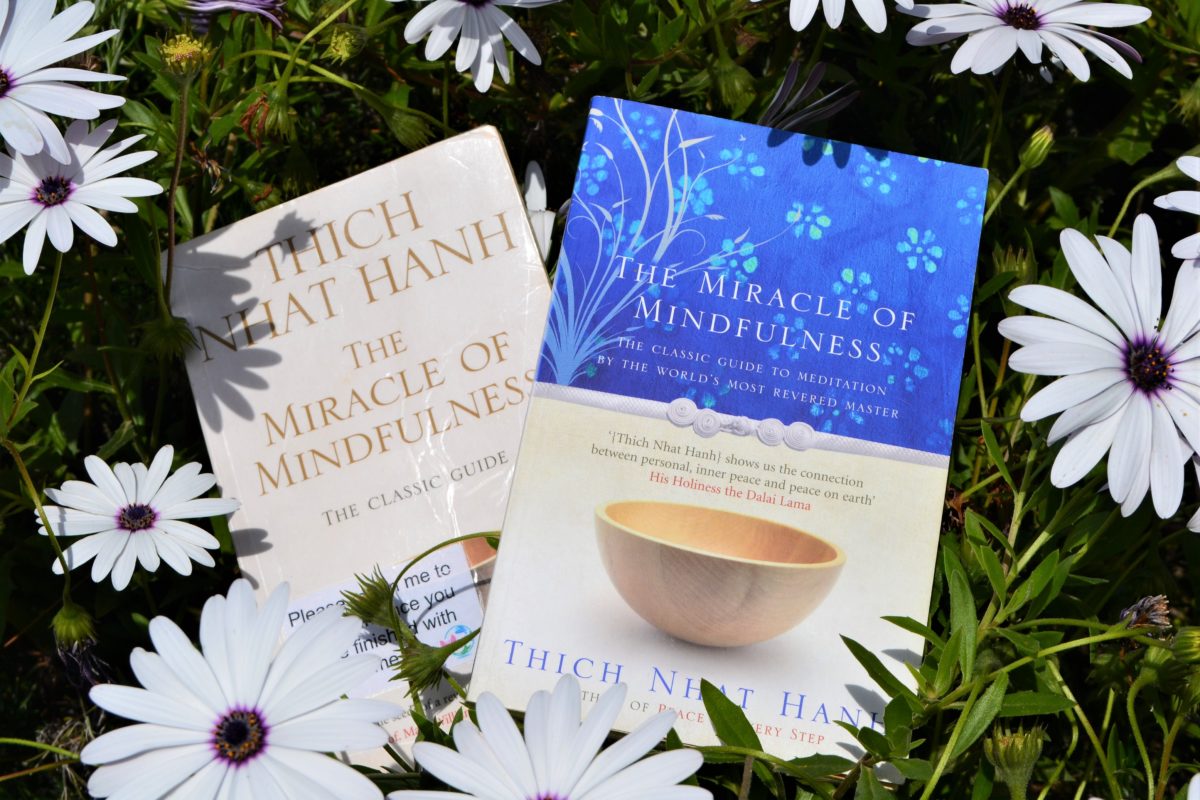
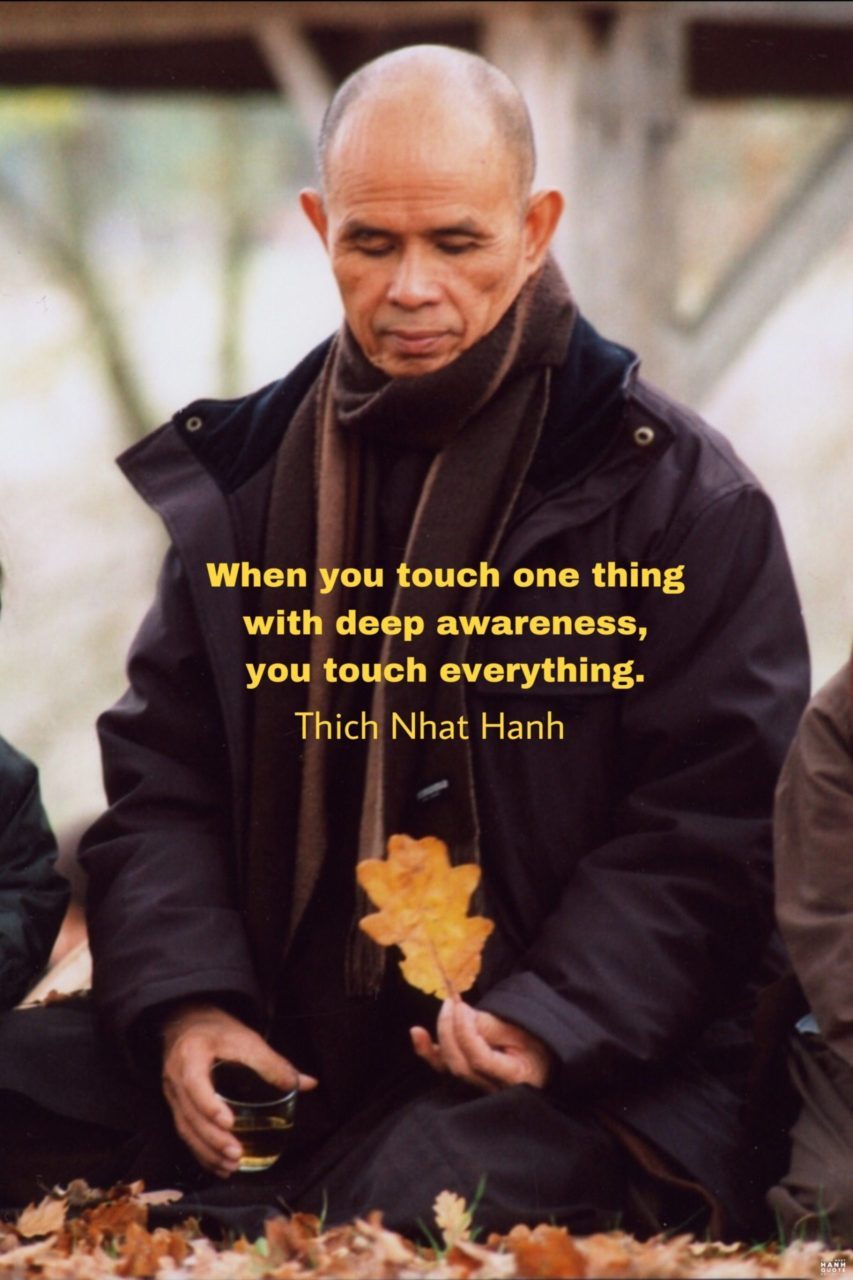
I’ve been reading bits and pieces of Zen master and poet Thich Nhat Hanh’s The Miracle of Mindfulness for the past year. I posted a note on that back in January of 2020 called “The Enlightened and the Lonely.” It was weirdly more prescient than I could have ever known.
Turns out we’re all insane and we’re all locked in the same institution together whether we like it or not. I did not see, however, that there would be a certain group of idiots stuck in this place with the rest of us who are dead set on fucking things up and being assholes. They are not funny, but they are hilarious at the same time. The riddle is how we manage to find a way to feel love for them even though they are such screw ups.
Someone could become a millionaire selling a bumper sticker that says:
“If you don’t feel like you’re losing your mind these days, then you’re probably part of the problem.”
Over the past decade things in America just keep getting weirder and nastier. I’d like to blame that on social media and/or our ubiquitous portable communication devices, but I honestly don’t know if I have a leg to stand on with that.
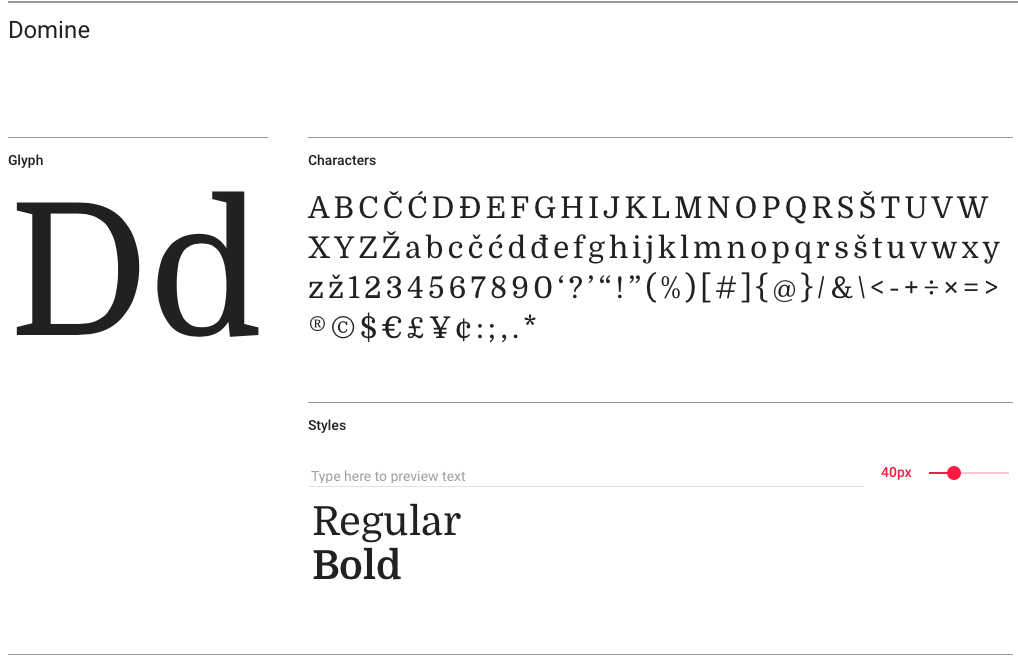
Special Note: This post was composed a week prior to the decision to overhaul the theme for this website. Thus, the font reference below, "Domine," is now anachronistic and passé. The font family here, now, is Lora. Apologies for any confusion.
In the category of “Will the Internet Always Be a Wild West Show?” I want to discuss font choices online. There used to be fairly clear rules for when you use sans serif fonts and when serif ones were more appropriate. In the old days when you finally got that Mac and were confronted with this massive fruit basket of typefaces your instinct was to go hog wild. I have always loved Comic Sans and once used it to print out a draft of a short story I’d written, only to find myself dizzy and feeling quite puckish reading half way through the second page.
FAKE NEWS from Washington Free Beacon, dated August 17, 2015
Note: The image to the right is not real. It is fake. It is not a dead parrot, but it is not a real parrot either.
Reading and listening to the mainstream media, it has been suggested that this new president is willing to distort reality openly and brazenly with essentially no subtlety or grace mostly for his own self-aggrandizement and to protect his brand. The Trump brand has been his bread and butter for over forty years. Should we be surprised? We’ve known this guy since at least 1973. But is brand protection really an excuse for a president?
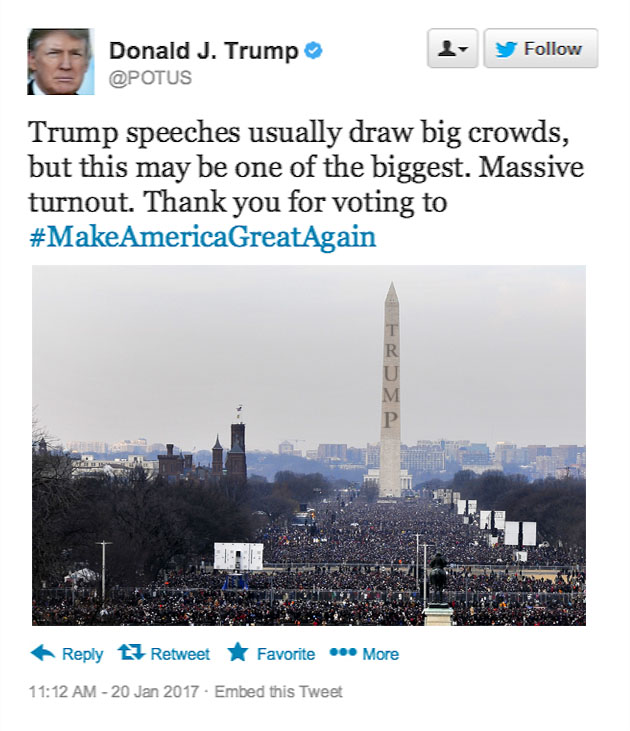
When I started writing this essay we’d just witnessed the pissing match between Trump and the media over how many people had attended his inauguration. During a very weird scene at CIA headquarters in Langley, VA, Trump said in the middle of a harangue about crowd numbers: “I have a running war with the media. They are among the most dishonest human beings on Earth.”
He had also sent out his two main mouthpieces, Sean Spicer and Kellyanne Conway to stir things up. Spicer, in his first ever White House lectern performance with the media, berated them for concocting lies and misinformation. The next day Kellyanne Conway introduced the idea of “alternative facts” to an incredulous Chuck Todd on Meet the Press. Everything’s been going downhill since that first weekend in the communication department for this administration. Continue reading →